
Category: News Page
-
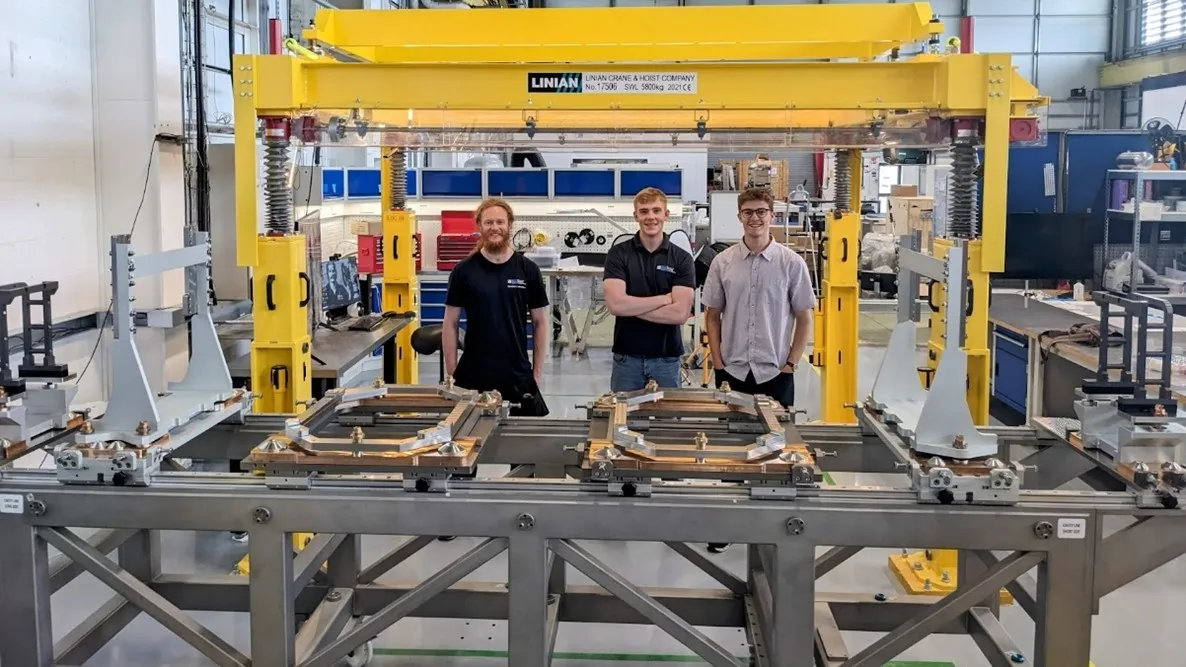
Status of the series HL-LHC DQW cryostating & infrastructure preparations
Two series dressed DQW cavities have been qualified at CERN and are being prepared for shipment to STFC in the UK for string assembly. Meanwhile, since the completion of the RFD SPS cryomodule in October 2023, the UK team at Daresbury Laboratory have been preparing for the series DQW cryomodules; upgrading infrastructure, updating assembly tooling,
-
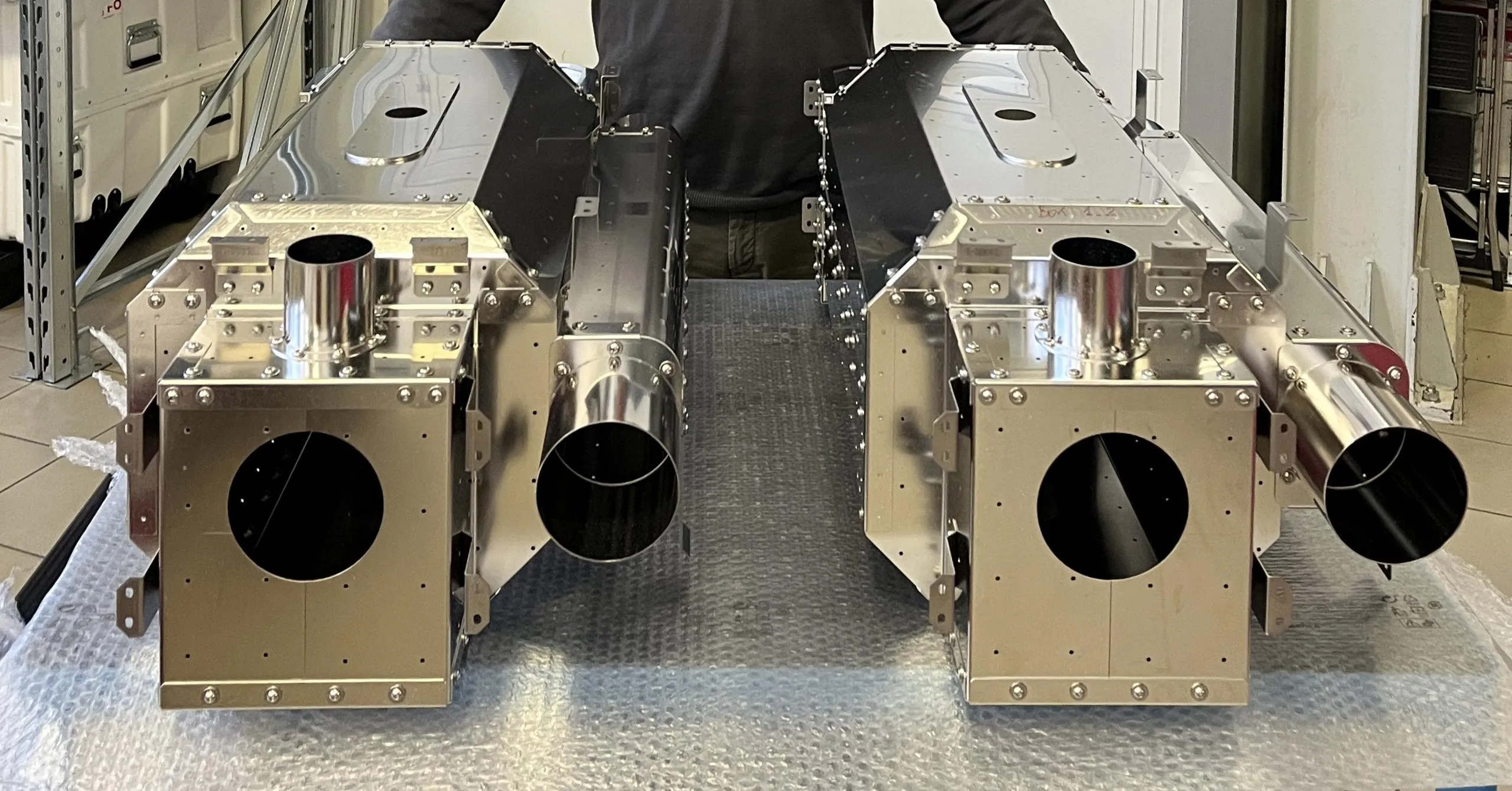
Progress with series production of RFD cavities and preparations for cryostating
Accelerator Upgrade Program (AUP) cavity status and preparations at JLab Work is progressing well for the crab cavity portion of the US contribution to the HL-LHC Project. All contracts are in place with the industrial supplier for the manufacturing of the RF-dipole (RFD) crab cavities, where activities have now reached peak production after years of
-
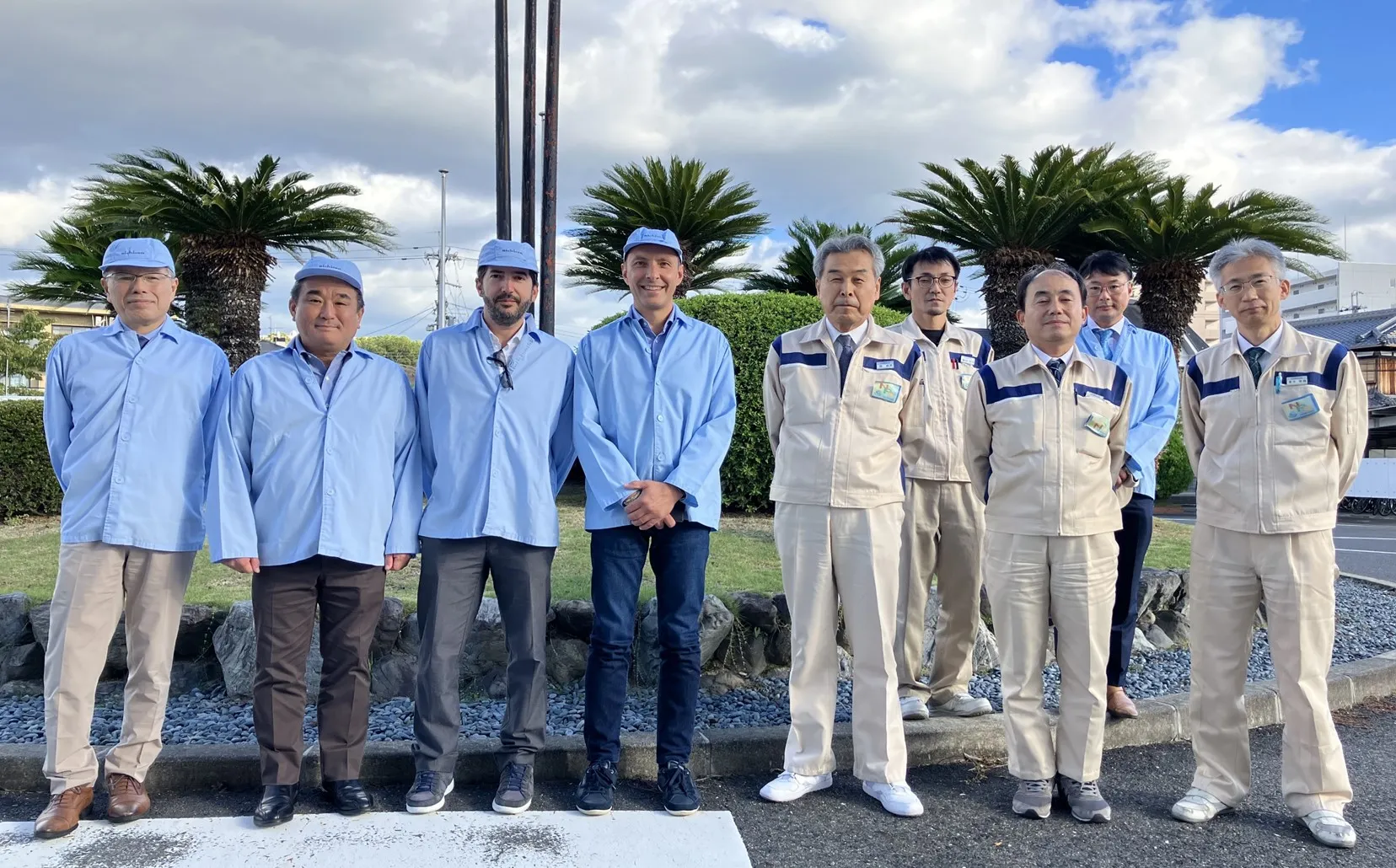
Quench heater power supplies: signature of in-kind contribution and completion of four pre-series units
The Quench Heater Discharge Power Supplies (DQHDS) are essential magnet protection devices in the Large Hadron Collider (LHC), ensuring the safety and integrity of superconducting magnets since their initial deployment in 2007. Triggered by the detection of a magnet quench (the local, sudden transition from a superconducting to normal state), these devices release energy into
-
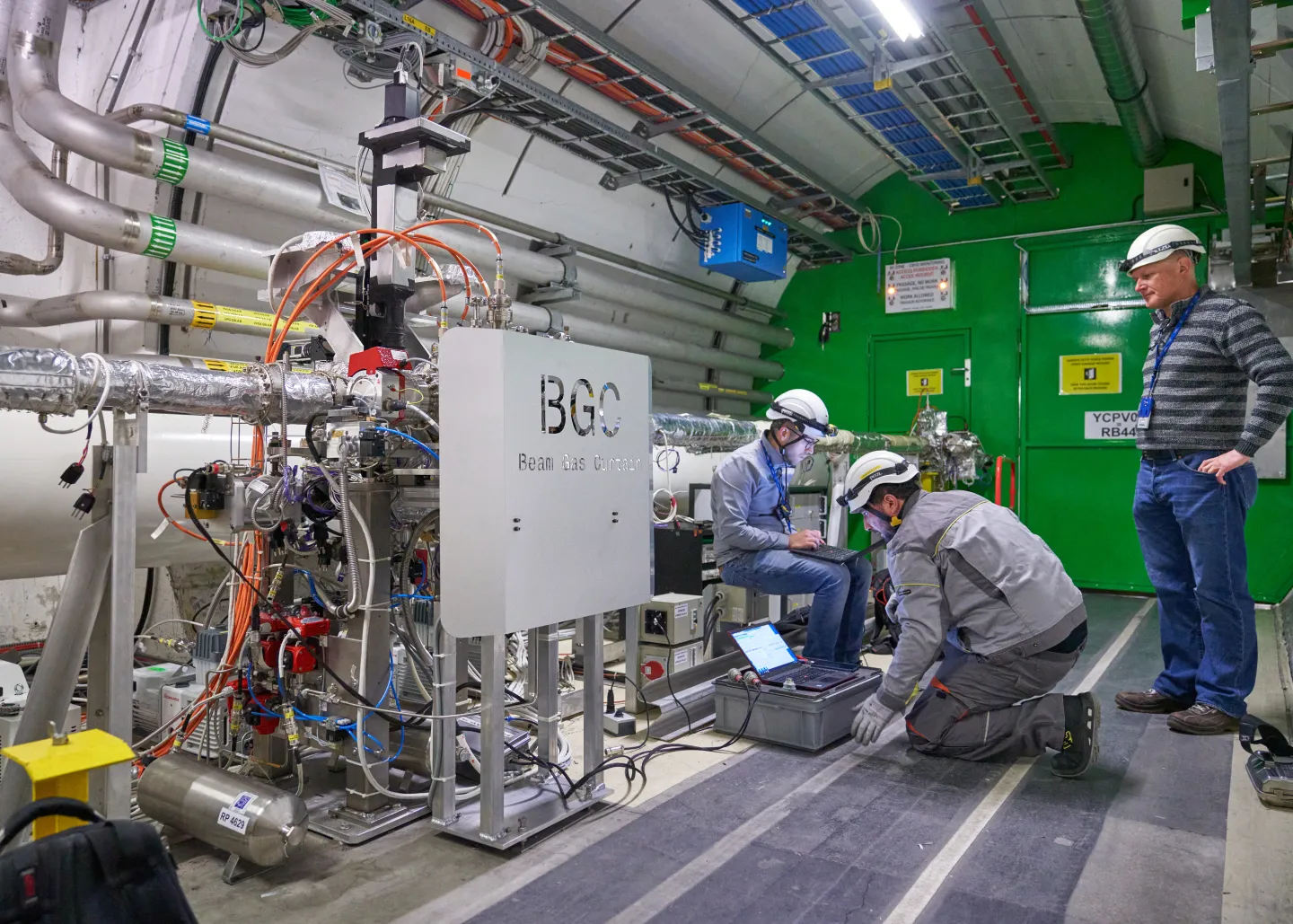
Promising results from HL prototype beam instruments
In the framework of the HL-UK2 collaboration, two novel beam instrument technologies are currently under development. The first is a non-invasive beam imaging system, known as the Beam Gas Curtain (BGC), which observes beam-induced fluorescence produced when charged particles interact with a thin gas jet. The second is a high-bandwidth beam position monitor designed to
-
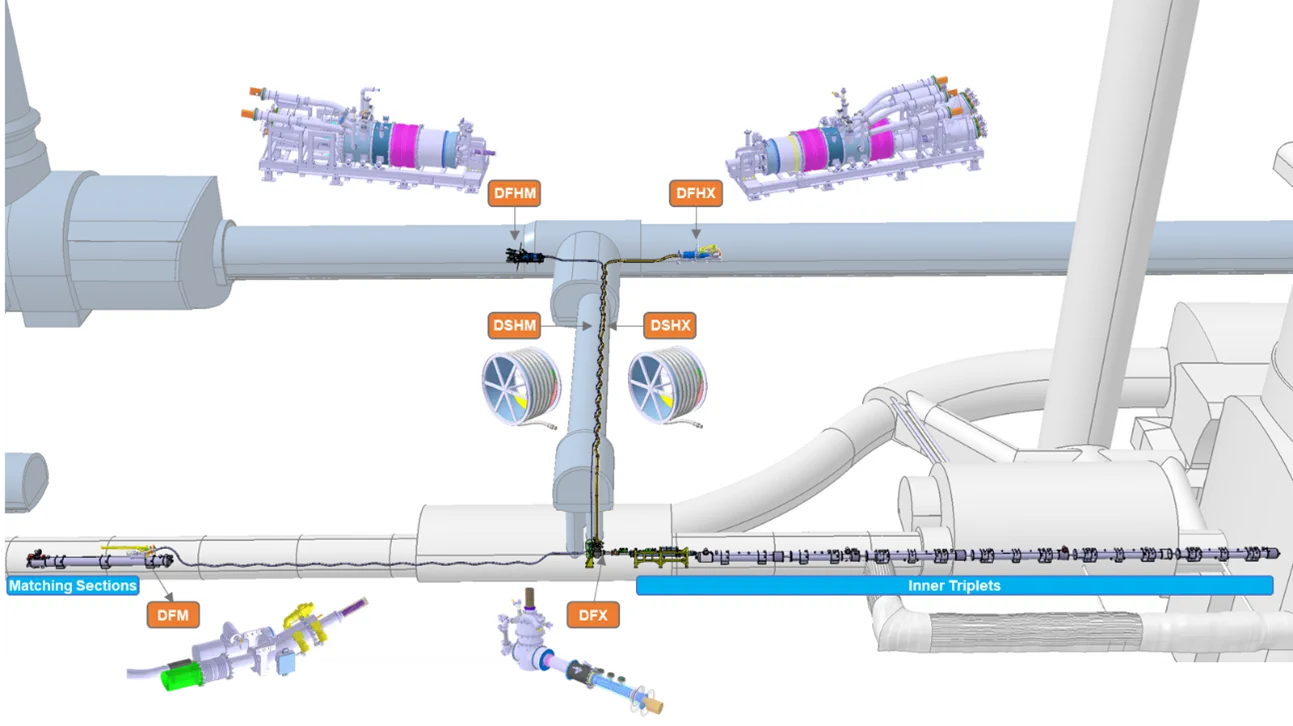
Progress with series production of DFHX/M by the University of Uppsala and DFX/M by the University of Southampton
The HL-LHC cold powering systems transfer the current from the power converters, located in the new underground galleries, to the superconducting magnets of the HL-LHC inner triplets and matching sections at Point 1 and Point 5. Eight systems plus two spares of each of the two different types – ‘X’ for the inner triplets; ‘M’
-
Progress of HL-LHC magnets: a collaborative effort
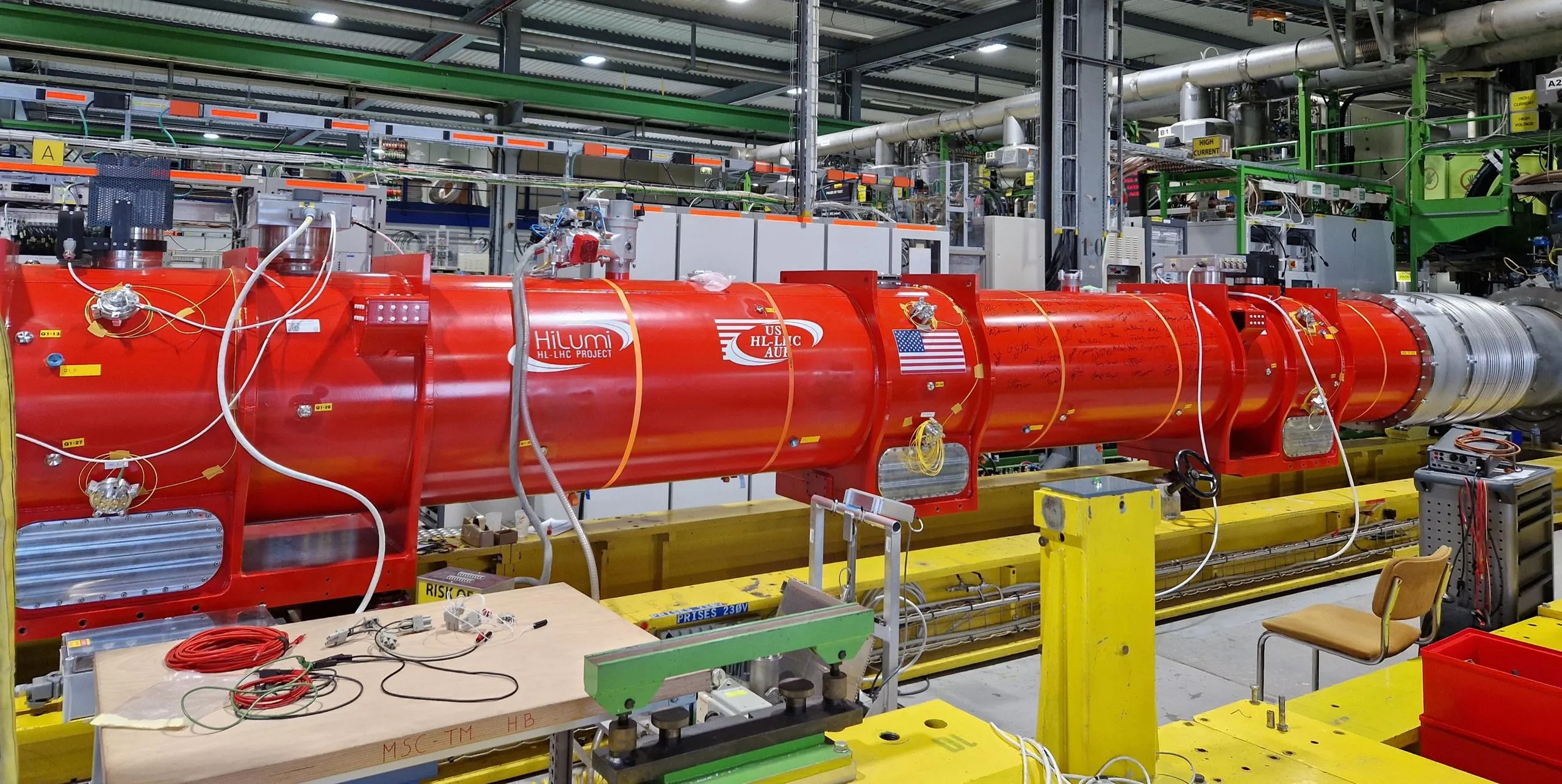
Q1 and Q3 triplet magnets – US-AUP collaboration The first cryoassembly from US-AUP was delivered to CERN in November 2023 and will be re-tested at CERN in June 2024 (see figure 1, left). Production of the second cryoassembly was completed at Fermilab (see figure 1, right) and the completed assembly is ready for the horizontal
-
Overview of Collaboration Status 2024
The HL-LHC Collaboration Office continues to update existing collaboration agreements and put in place new agreements with HL-LHC partners. Since the previous HL-LHC Collaboration Board Newsletter, the Collaboration Office has focused on the signing of the UK Phase 1 agreements, allowing for final invoicing to take place. The main deliverable expected for the UK Phase
-
LHC operational status
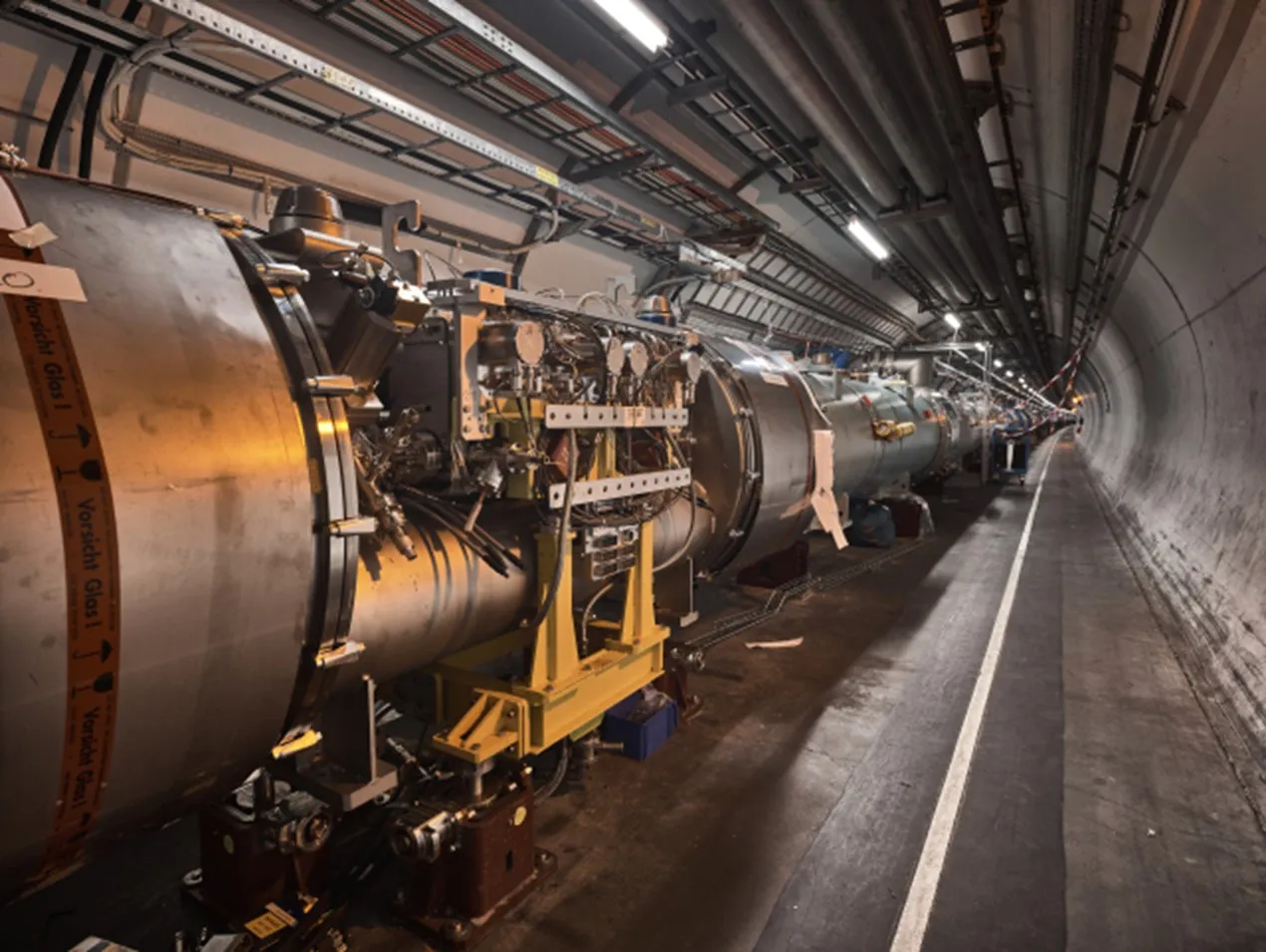
Figure 1: Photograph of the dispersion suppressor collimator (TCLD) installed in the dispersion suppressor region around ALICE. A standard 15m-long connection cryostat is replaced by two shorter connection cryostats and a bypass module that enables installation of a warm collimator. Since the restart of the LHC for its third operational run in 2022 (Run 3),
-

Update on the HL-LHC Project Status
The project has reached several key milestones since the last newsletter. Among the many achievements, I would like to highlight here the celebrations for the successful validation of the CERN MQXFB quadrupole improvement plan and the successful validation of the first two magnets destined for direct installation in the tunnel (MQXFB03 and MQXFB04), the delivery
-
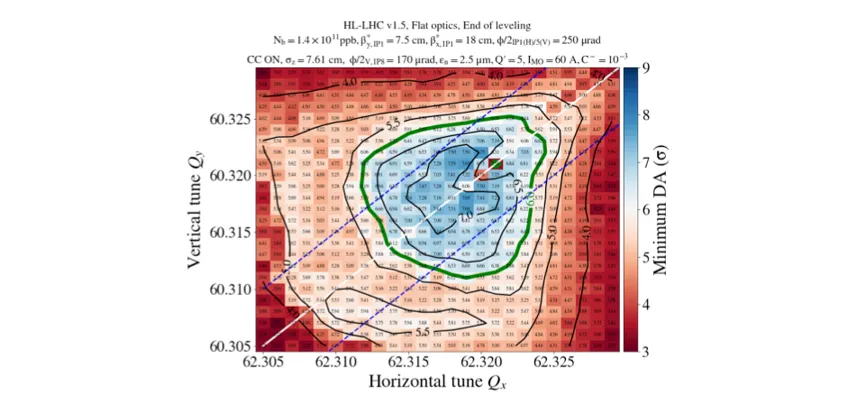
Towards the challenging Dynamic Aperture goals of Run 4
The recent IPAC’23 conference was an ideal opportunity to present and discuss within our community the status of the beam dynamics simulations for Run 4, marking the start of HL-LHC operation. At top energy, proton beams will circulate in the machine for about 10 hours, covering inside the LHC ring about half the distance of