
Author: Rama Calaga (CERN)
-
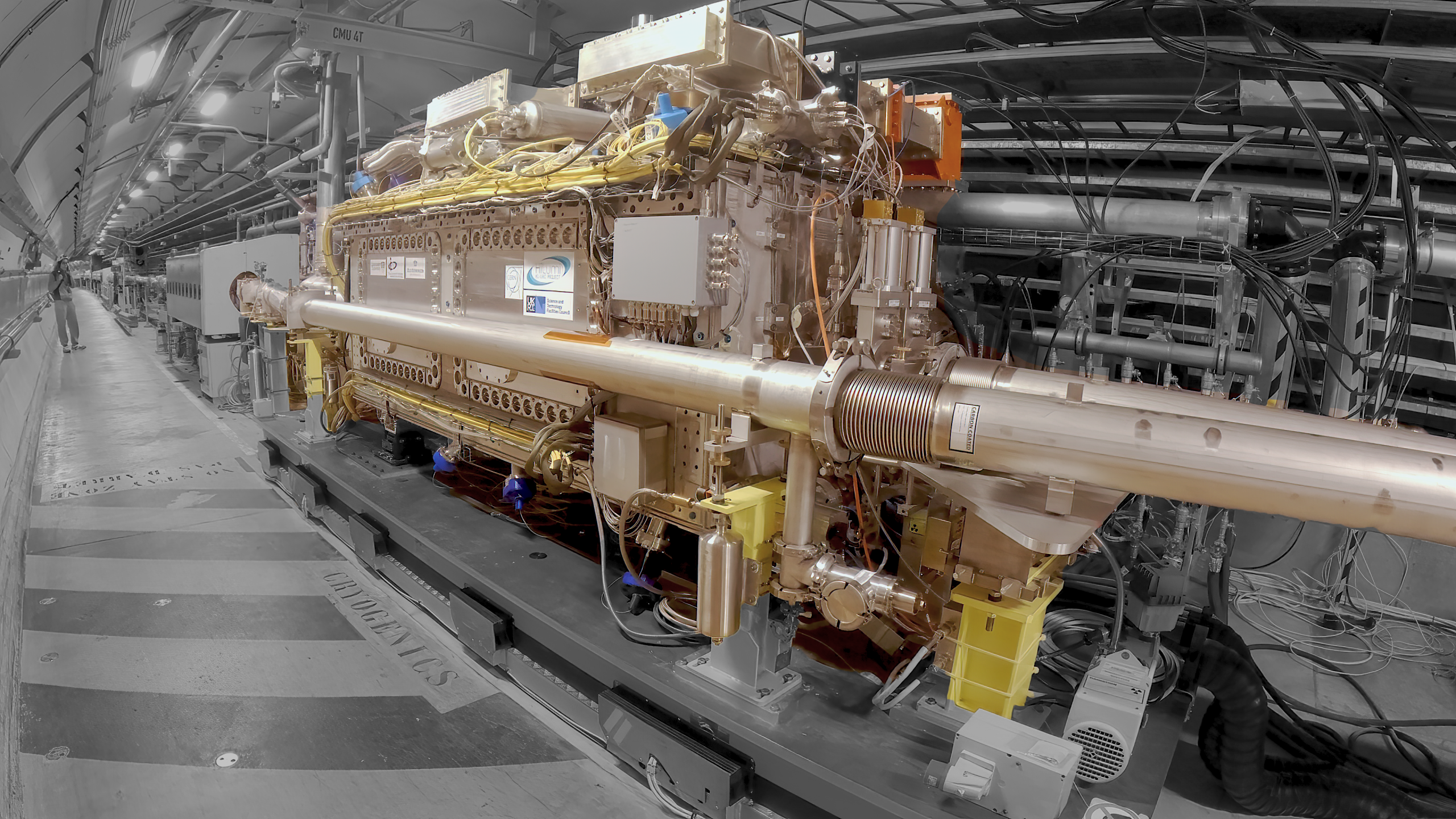
Crab cavity and RF developments across collaborations
Crab cavity and RF developments across collaborations Strides are being taken for the RFD and DQW crab cavities and cryomodules, with challenges being tackled and overcome across the collaborations, and more deliveries to CERN imminent. Important progress has also been made for the high-power RF components. RF Dipole Cryomodule for SPS Tests (CERN) The Radio
-
LHC High-Intensity Tests paving the way for HiLumi LHC
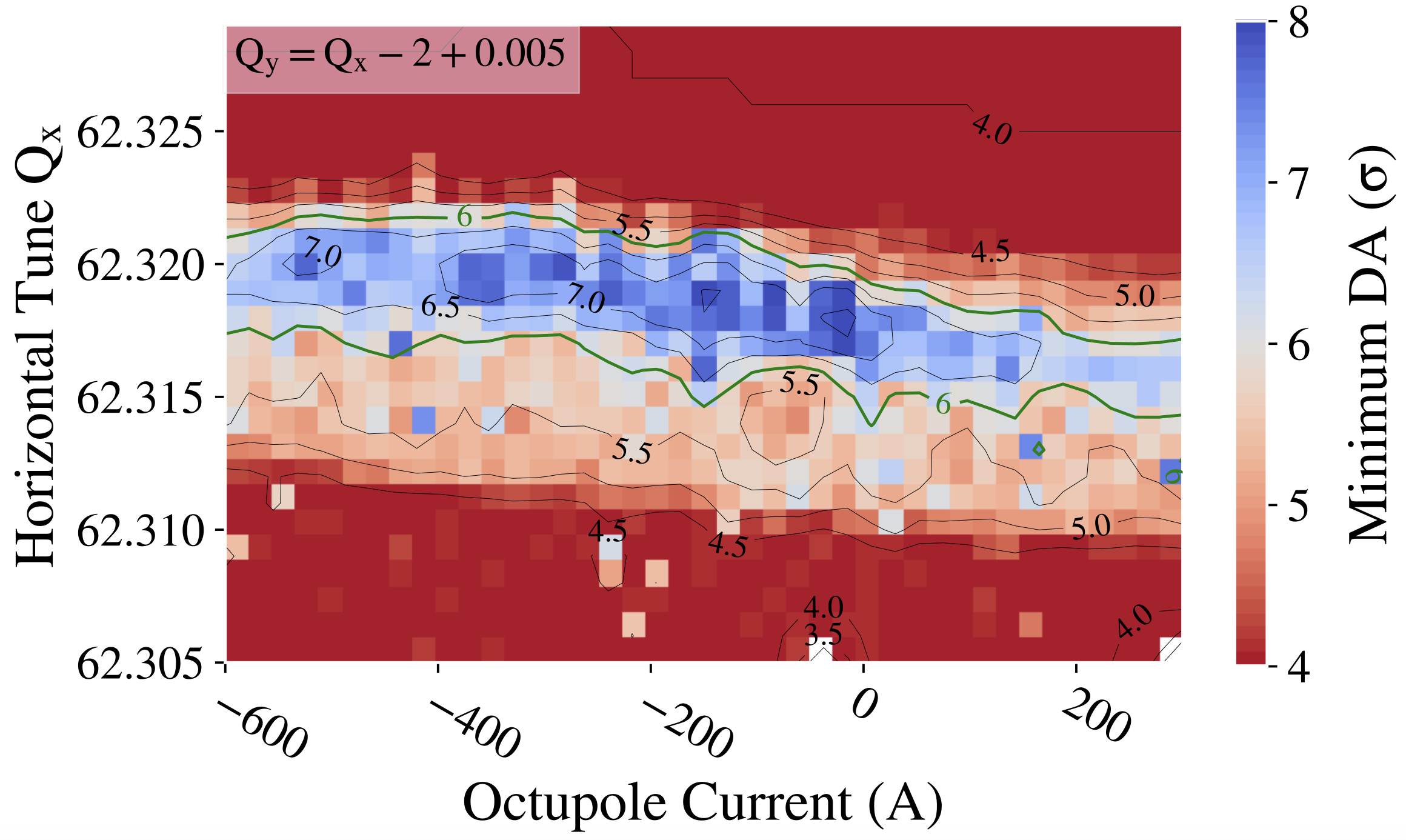
During the two days dedicated to LHC high-intensity tests, the accelerator successfully operated with an unprecedented number of high-intensity bunches and provided encouraging results and valuable lessons ahead of the main high-intensity test campaign planned in late-June. Preparatory tests for the LHC high-intensity (HI) period, carried out on 4th to 6th May 2026 marked an important milestone
-
RF Dipole Cryomodule for SPS Tests (CERN & UK)
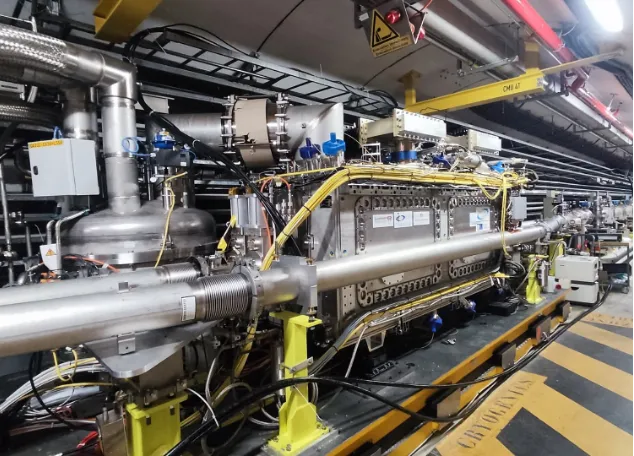
The RF dipole prototype cryomodule foreseen for tests with beam in the SPS tests was successfully repaired and commissioned in the SM18 facility at CERN in 2024. During the year-end technical stop (YETS) 2024-25, the cryomodule was installed in the SPS-LSS6 bypass dedicated to the crab cavity tests in the SPS. Immediately after the installation,
-

DQW Series Production Status – CERN & Research Instruments (RI)
The series DQW cavities manufactured at RI (eight cavities) and CERN (two cavities) have progressed significantly over the period of 2024-25. Two cavities, one from RI and one from CERN, were fully qualified with higher order mode (HOM) couplers in their final state well beyond the specification (4.7 MV) and sent to UK-STFC for cryostating
-
Status of the series HL-LHC DQW cryostating & infrastructure preparations
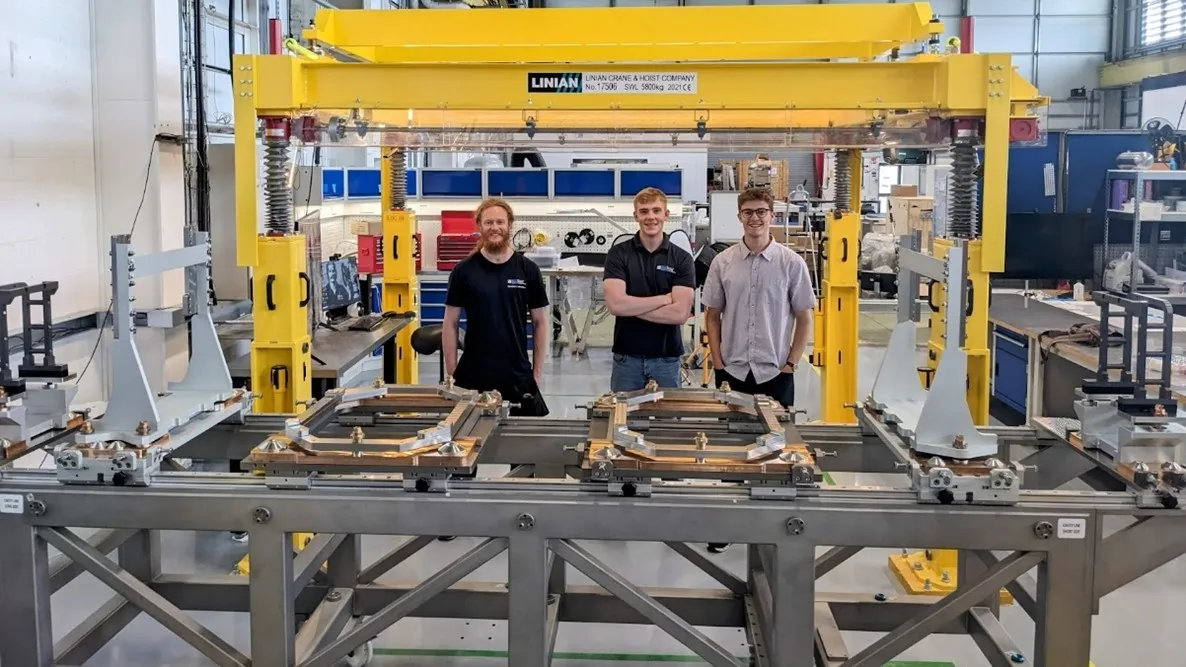
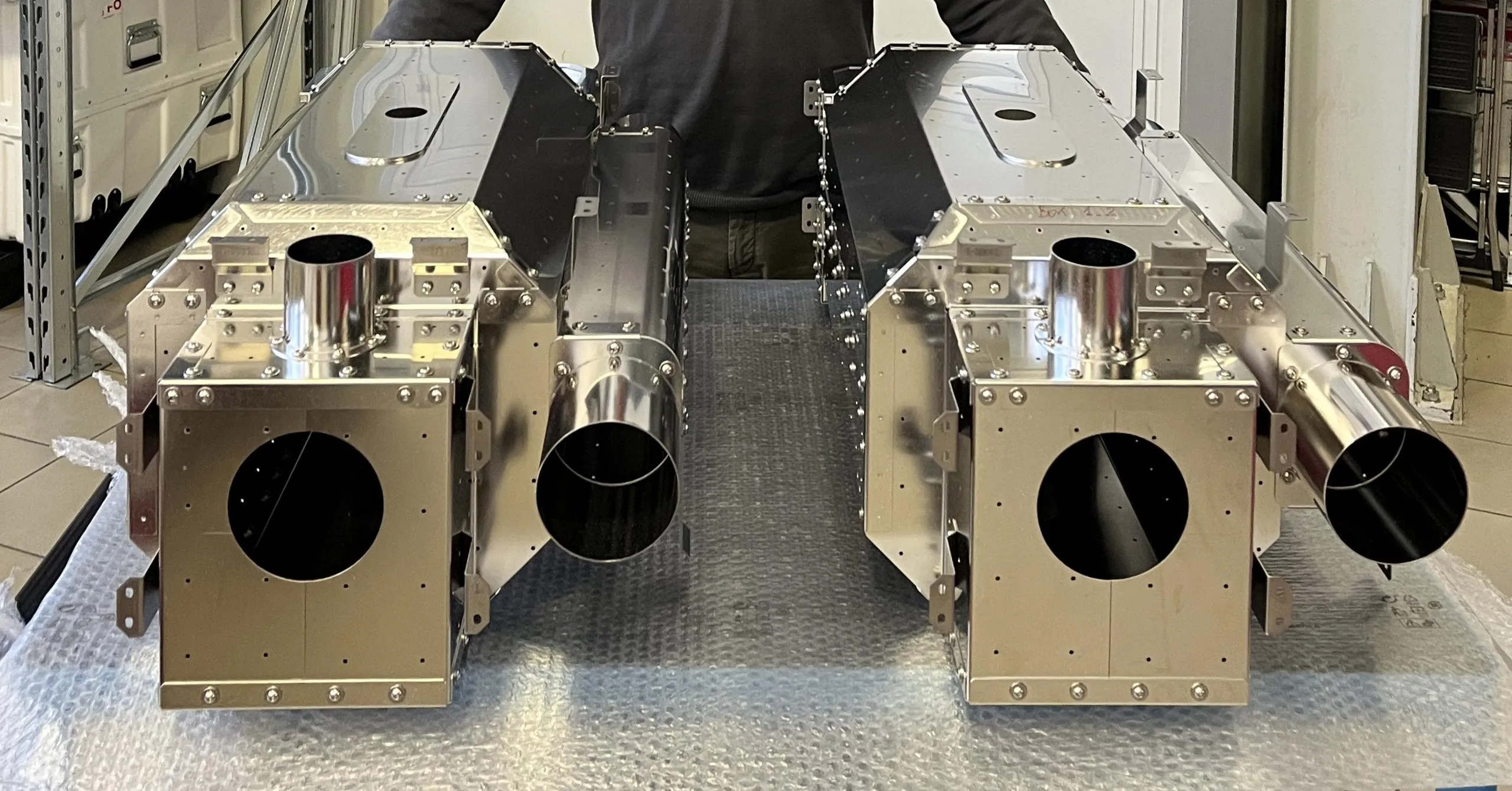
Two series dressed DQW cavities have been qualified at CERN and are being prepared for shipment to STFC in the UK for string assembly. Meanwhile, since the completion of the RFD SPS cryomodule in October 2023, the UK team at Daresbury Laboratory have been preparing for the series DQW cryomodules; upgrading infrastructure, updating assembly tooling,
-
Progress with series production of RFD cavities and preparations for cryostating
Accelerator Upgrade Program (AUP) cavity status and preparations at JLab Work is progressing well for the crab cavity portion of the US contribution to the HL-LHC Project. All contracts are in place with the industrial supplier for the manufacturing of the RF-dipole (RFD) crab cavities, where activities have now reached peak production after years of
-
Start of series production for RFD CC at Zanon
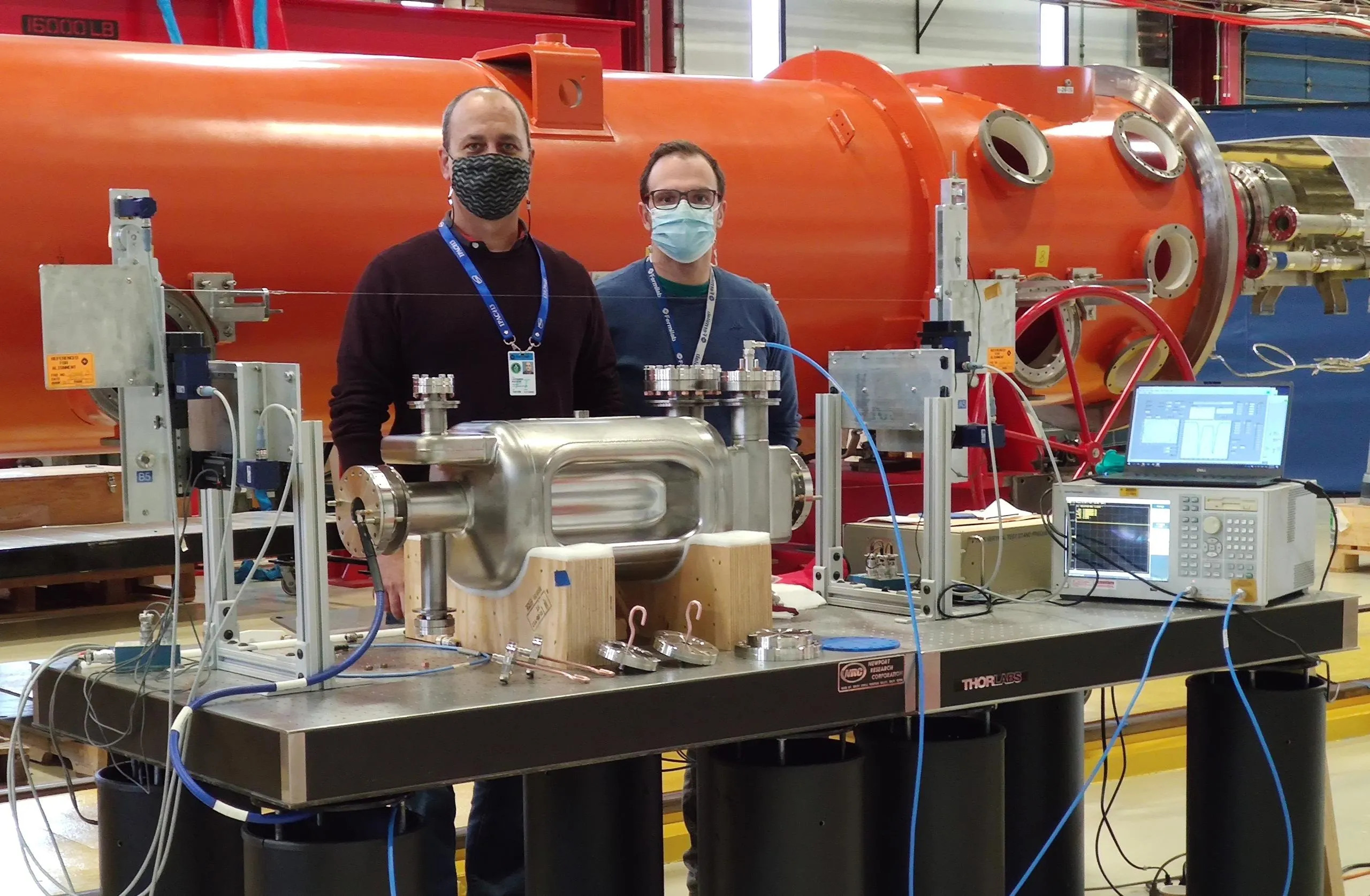
In the framework of HL-LHC AUP in the US, last year two prototype RF Dipole Crab Cavities manufactured in Italy by Zanon Research & Innovation were validated successfully at FNAL through cold tests at 2K. One prototype reached a deflecting field voltage of 5.8 MV which is 40% above acceptance and 70% above nominal. The
-
RFD Cavity Tests at 2K
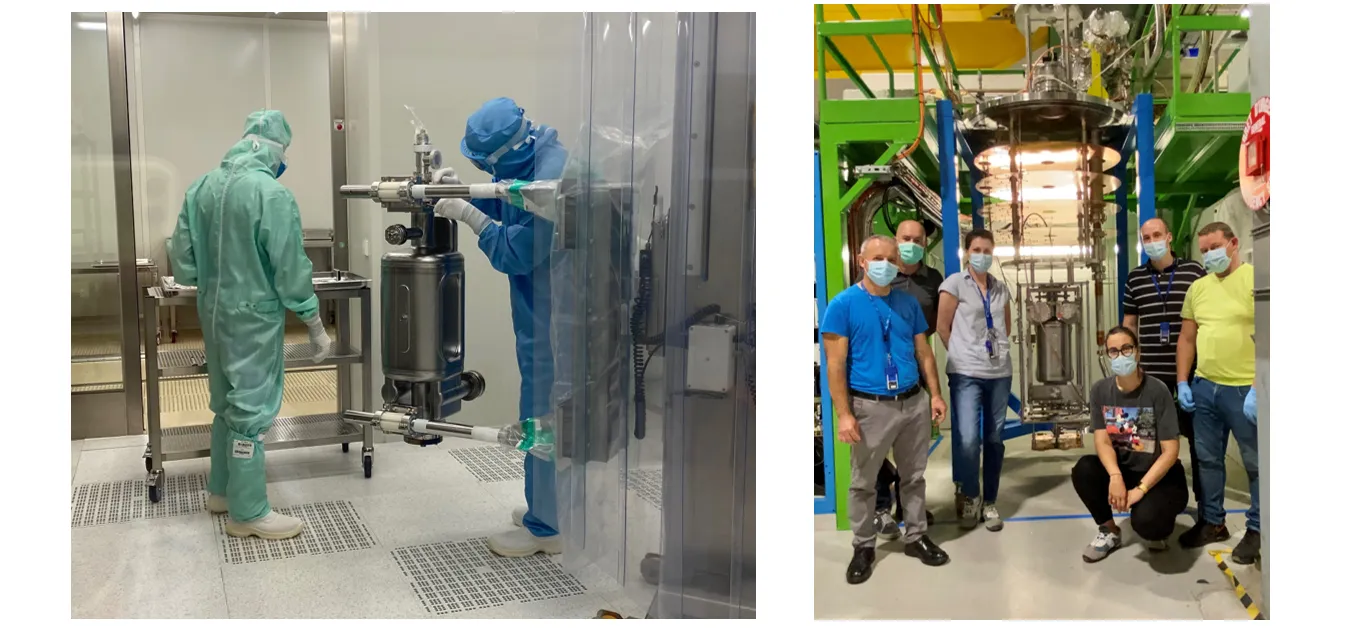
The two RF dipole crab (RFD) cavities being prototyped for the SPS tests underwent an ultra-pure water rinsing for a period of approximately 7 hours at very high pressure of 100 bar. This process has proven to be a key step in the cavity preparation to reach extremely high fields and suppress electron field emitters
-
RFD Assembly
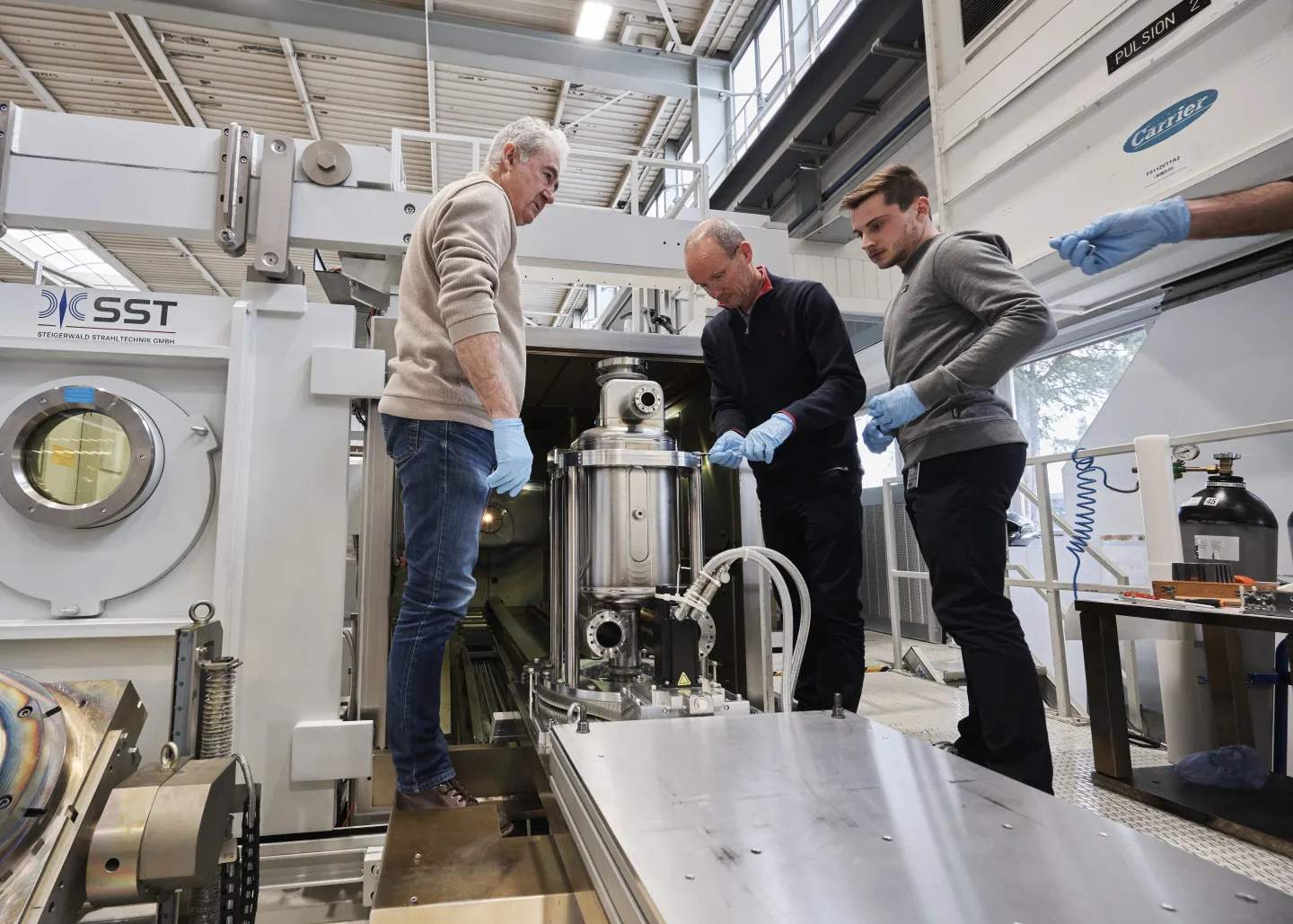
Two prototypes of RF dipole cavities which provide horizontal crabbing for the HL-LHC were successfully built at CERN. The frequency tuning setup before the final two welds is shown in the figure below. The frequencies of both cavities were within 100 kHz (negligible) showing the surgical precision in the manufacturing techniques for such a complicated