
Author: Roderik Bruce (CERN)
-
LHC High-Intensity Tests paving the way for HiLumi LHC
During the two days dedicated to LHC high-intensity tests, the accelerator successfully operated with an unprecedented number of high-intensity bunches and provided encouraging results and valuable lessons ahead of the main high-intensity test campaign planned in late-June. Preparatory tests for the LHC high-intensity (HI) period, carried out on 4th to 6th May 2026 marked an important milestone
-
LHC operational status
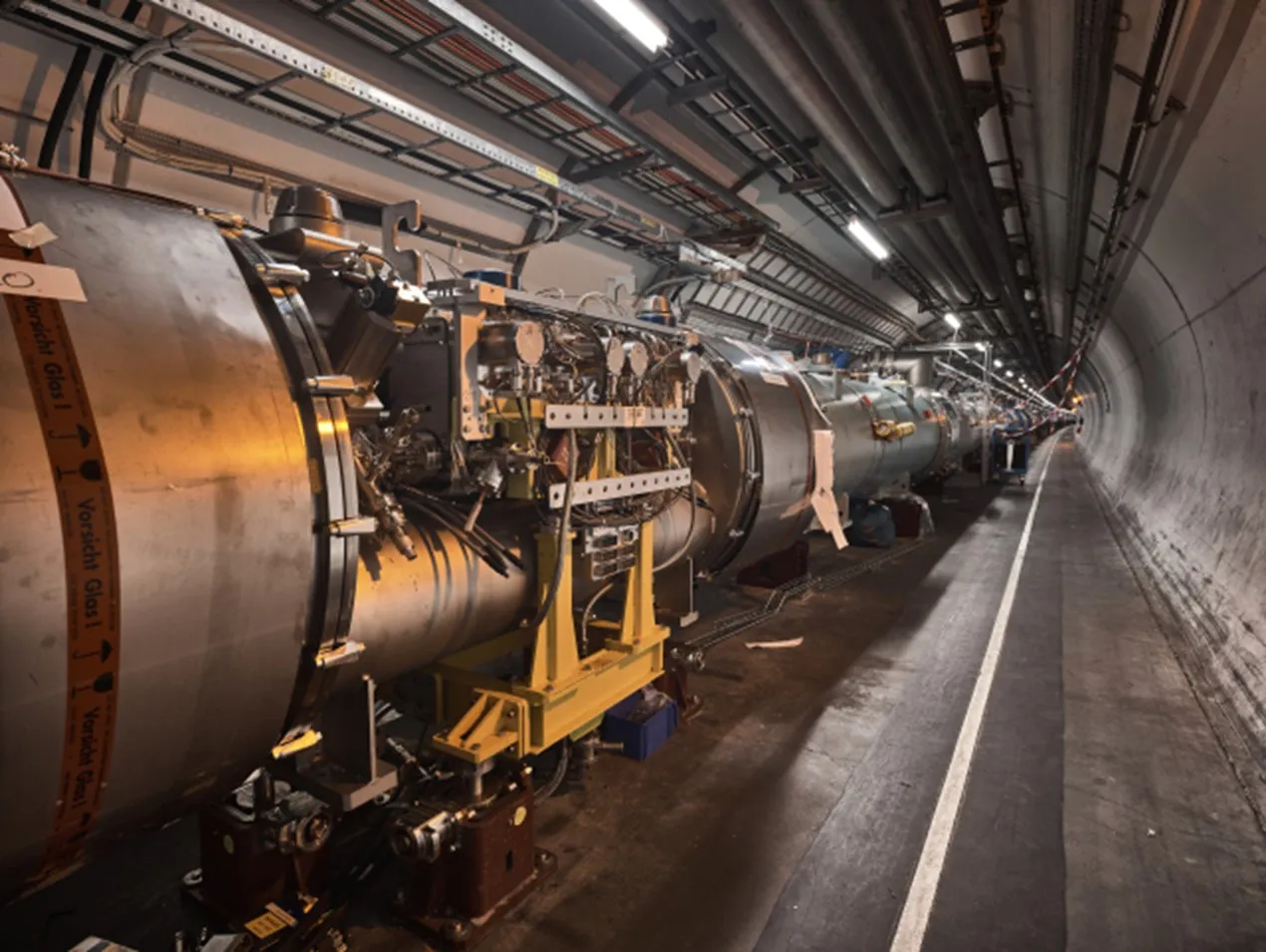
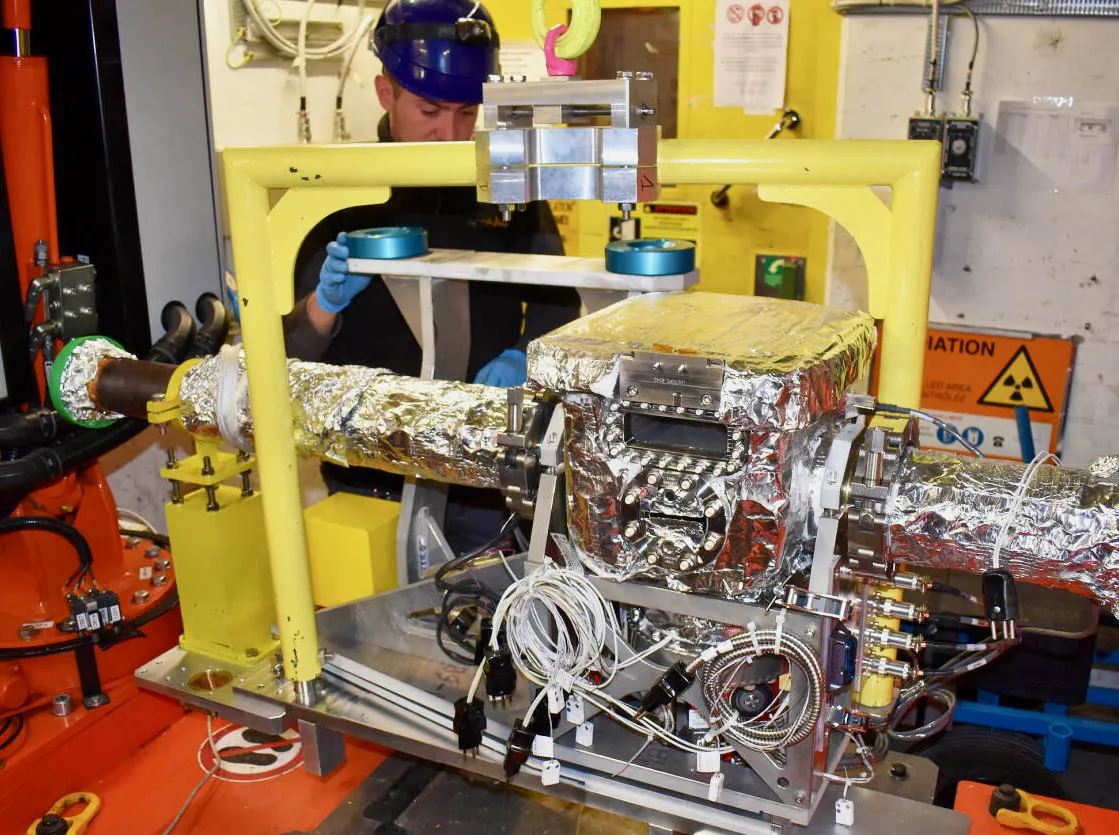
Figure 1: Photograph of the dispersion suppressor collimator (TCLD) installed in the dispersion suppressor region around ALICE. A standard 15m-long connection cryostat is replaced by two shorter connection cryostats and a bypass module that enables installation of a warm collimator. Since the restart of the LHC for its third operational run in 2022 (Run 3),
-
Crystal collimation for the operational ion run in 2023
While the HL-LHC era for proton collisions starts in 2029 with the operational Run 4, the aim is to achieve the target HL heavy-ion performance already in Run 3 following the upgrade of the ALICE experiment during LS2. Thanks to the LHC injector upgrade program successfully completed during LS2, and in particular due to the
-
Implementation of crystal collimation of heavy ion beams for Run3 in absence of 11 T dipoles
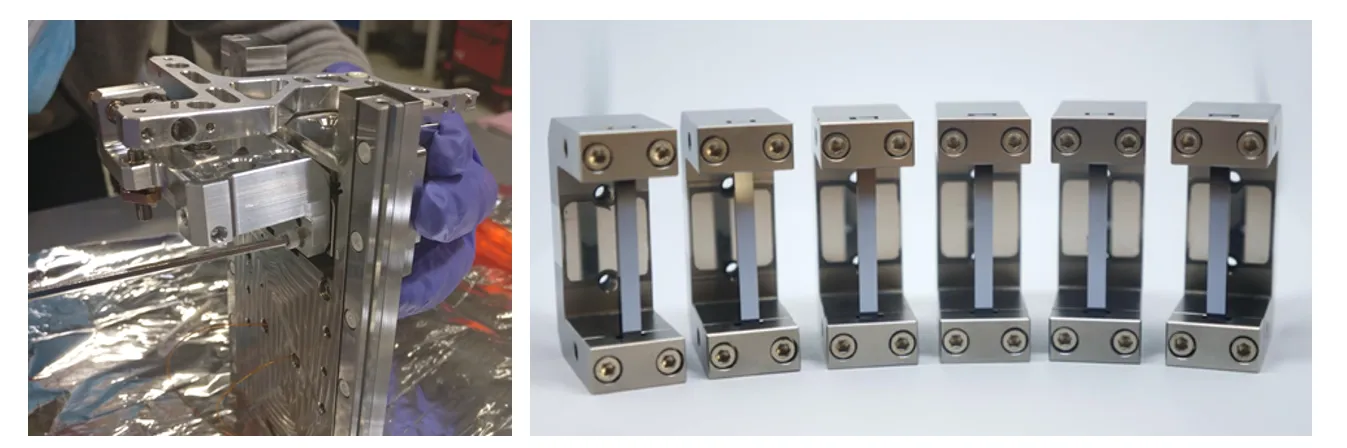
Following the recommendation of the C&SR 2019, crystal collimation was successfully integrated in the WP5 upgrade baseline as an in-kind item to mitigate schedule issues with the 11 T dipoles which have shown potential reliability issues for long-term operation in the accelerator. A detailed investigation program is currently underway to understand the root cause of
-
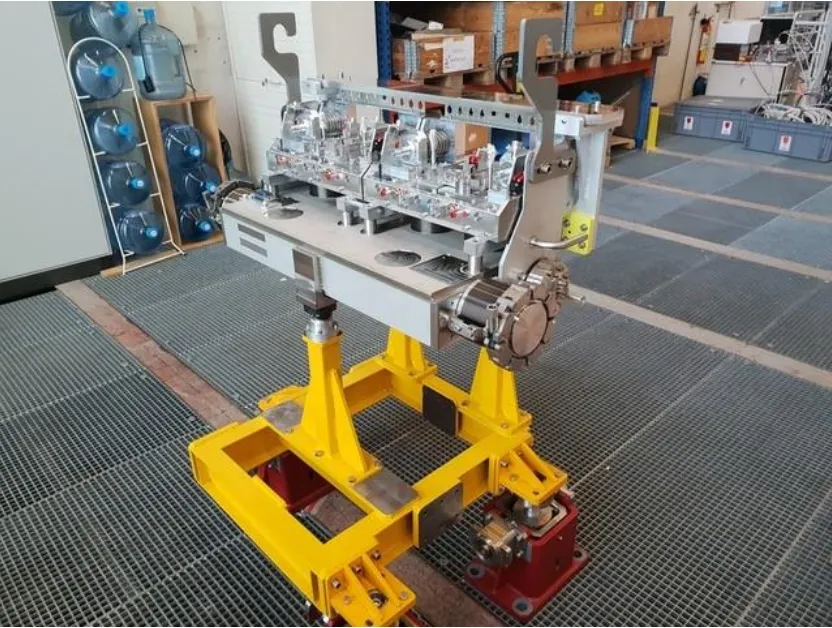
Update on the collimator developments: first picture of the TCLD from CINEL
One important upgrade for HL-LHC is the installation of new collimators, called TCLD, in the dispersion suppressors next to IR7 and IR2. The TCLDs are needed for proton and heavy-ion operation to intercept particles that differ from the main beam in either energy or, in the case of ions, charge-to-mass ratio. In IR7, the source