
Tag: WP5 Collimation
-
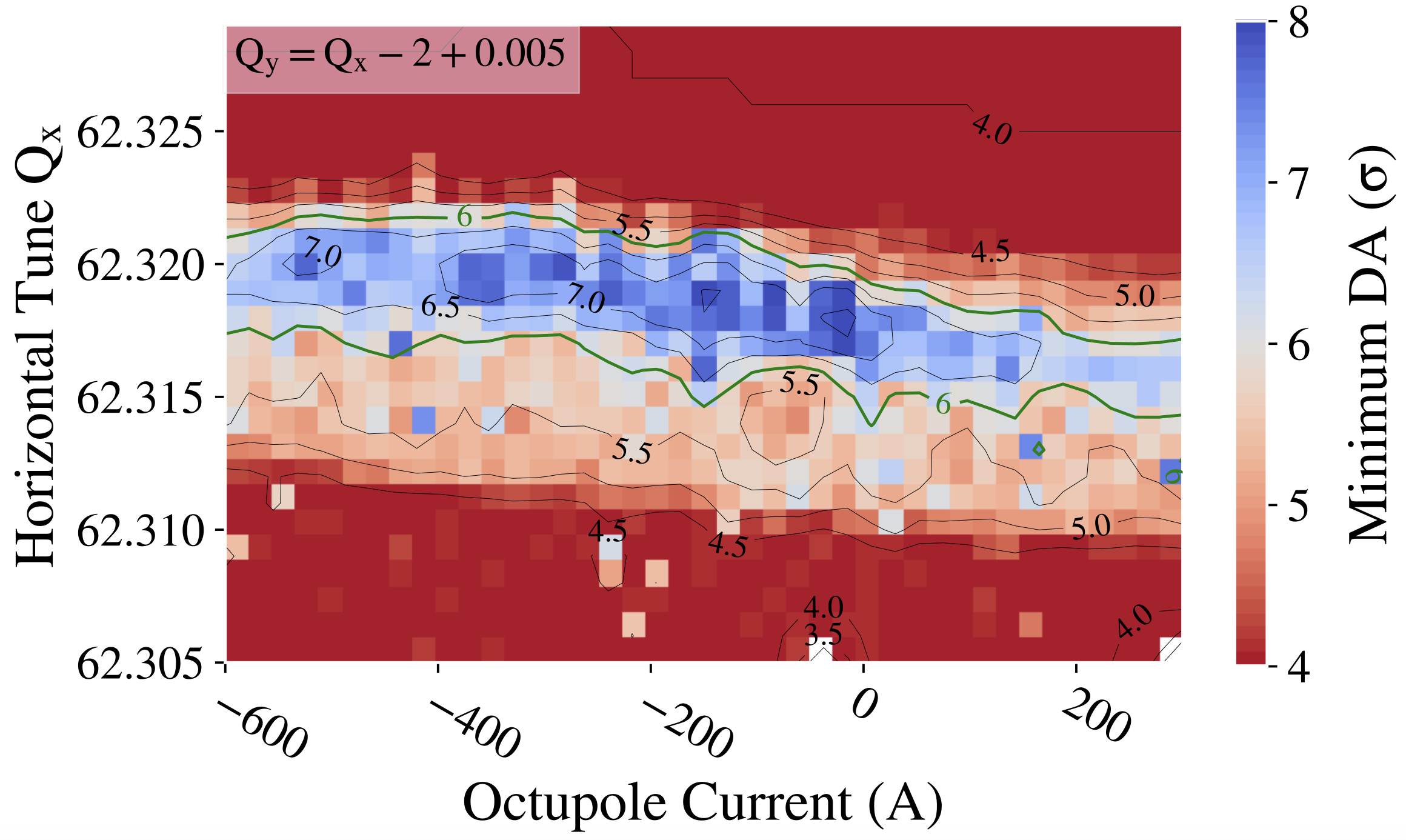
LHC High-Intensity Tests paving the way for HiLumi LHC
During the two days dedicated to LHC high-intensity tests, the accelerator successfully operated with an unprecedented number of high-intensity bunches and provided encouraging results and valuable lessons ahead of the main high-intensity test campaign planned in late-June. Preparatory tests for the LHC high-intensity (HI) period, carried out on 4th to 6th May 2026 marked an important milestone
-
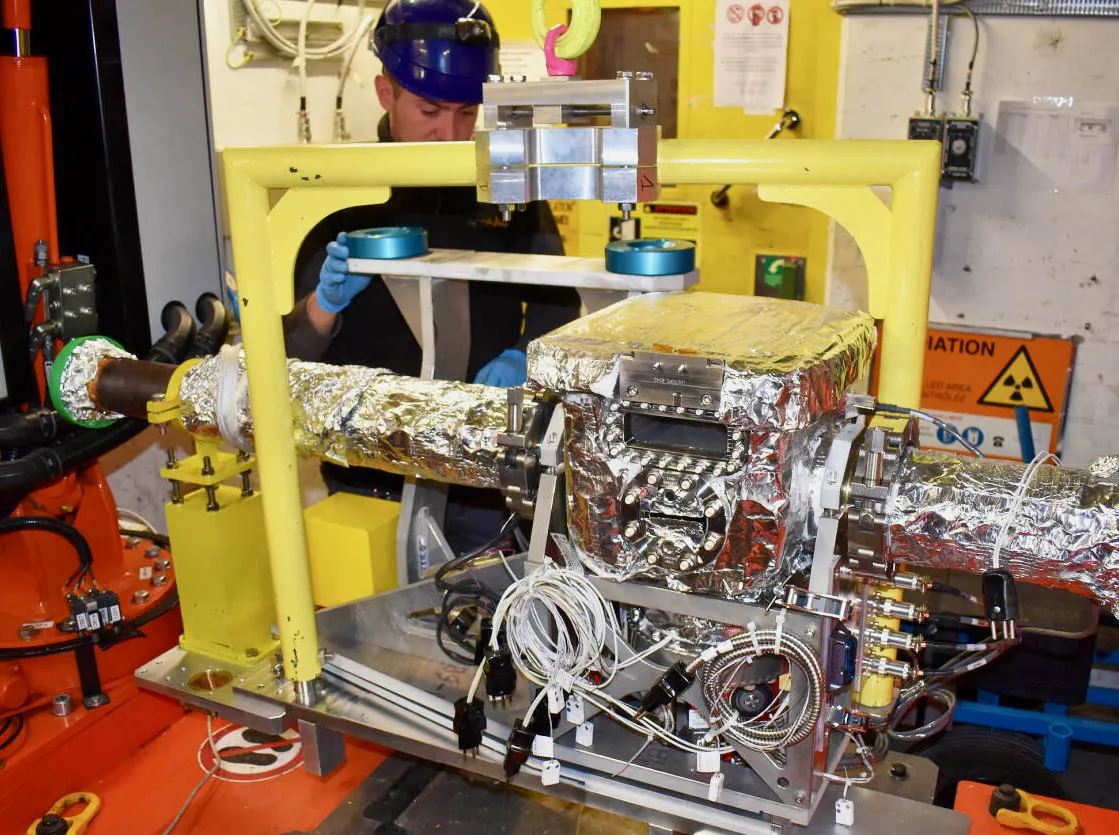
Crystal collimation for the operational ion run in 2023
While the HL-LHC era for proton collisions starts in 2029 with the operational Run 4, the aim is to achieve the target HL heavy-ion performance already in Run 3 following the upgrade of the ALICE experiment during LS2. Thanks to the LHC injector upgrade program successfully completed during LS2, and in particular due to the
-
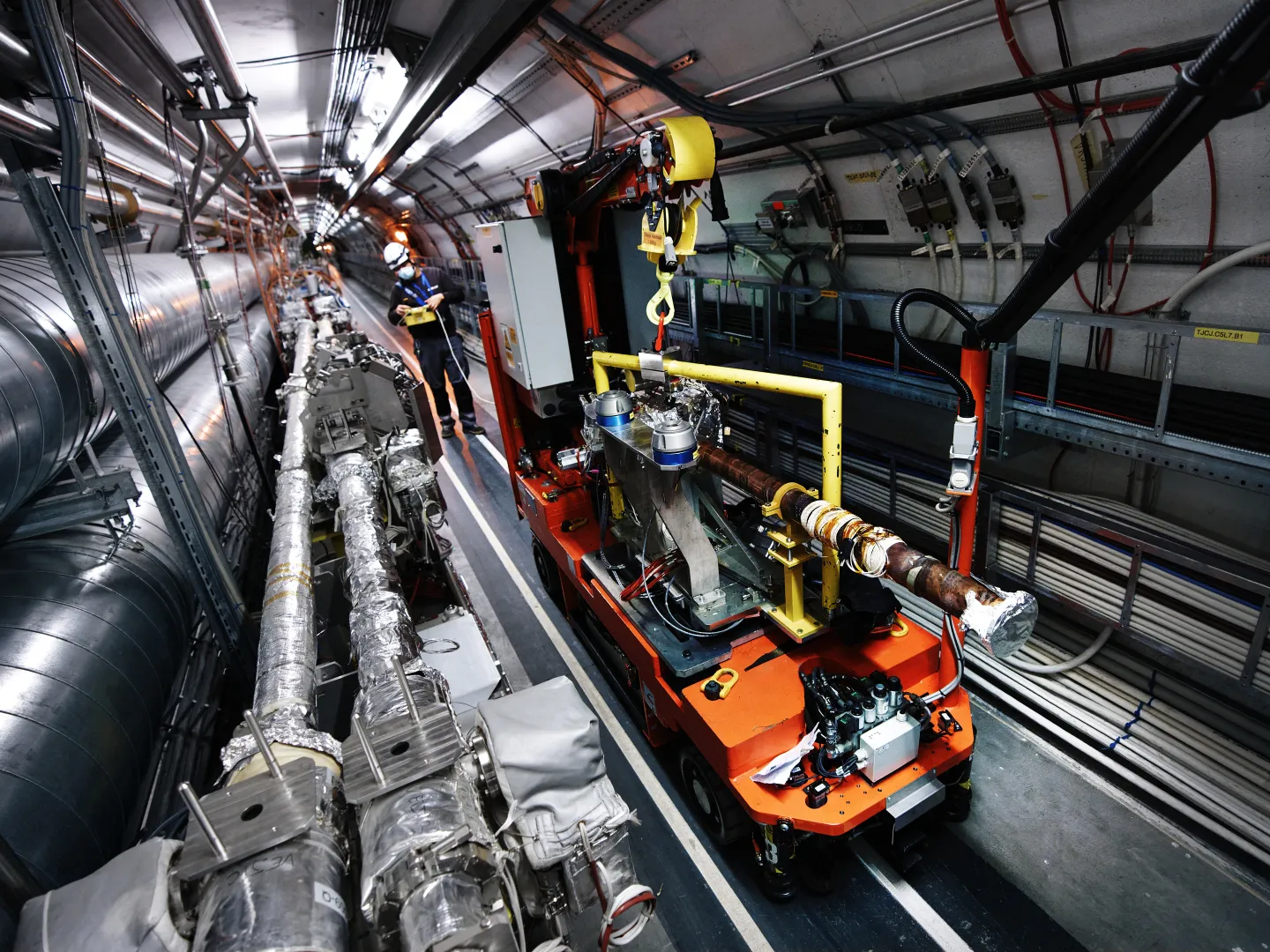
First beam commissioning of the new HL-LHC collimators at the LHC
The HL-LHC WP5 activities started in LS2 with some important upgrades in preparation to the full deployment of HL-LHC in LS3. The first phase of the collimation system upgrade during LS2 involved the installation of: The updated LHC collimation system layout for the recently started Run 3 is shown in Figure 1. Primary collimators and
-
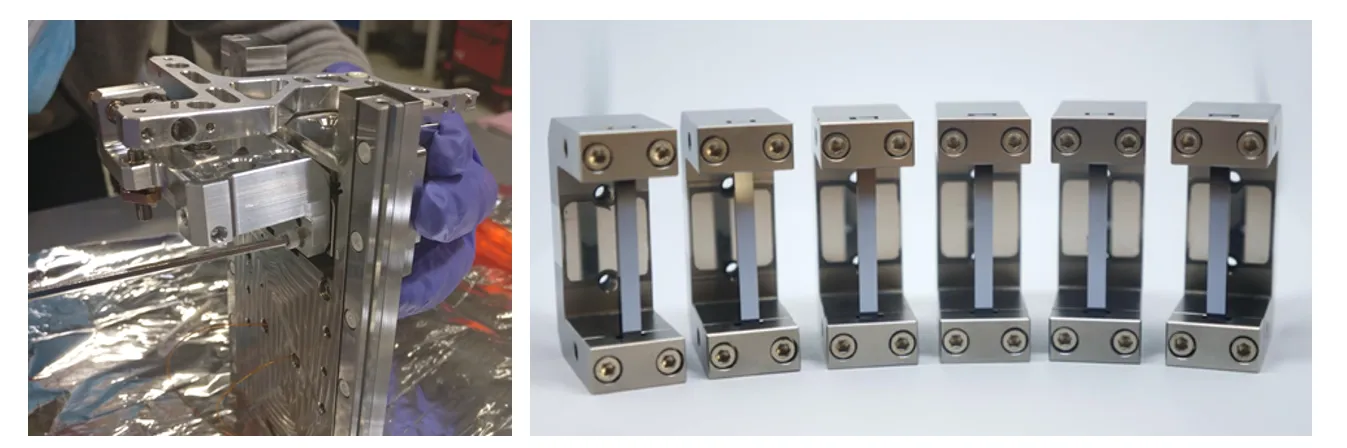
Implementation of crystal collimation of heavy ion beams for Run3 in absence of 11 T dipoles
Following the recommendation of the C&SR 2019, crystal collimation was successfully integrated in the WP5 upgrade baseline as an in-kind item to mitigate schedule issues with the 11 T dipoles which have shown potential reliability issues for long-term operation in the accelerator. A detailed investigation program is currently underway to understand the root cause of
-

Status of the Hollow e-lens
The Hollow Electron Lens (HEL) will provide, by means of a hollow electron beam overlapping over about 3 m length with the HL-LHC hadron beam, an active way to enhance particle diffusion and controlled depletion of the hadron beams tails. It is planned to be built partly as an in-kind contribution from Russia and the
-
Latest News from Collimation
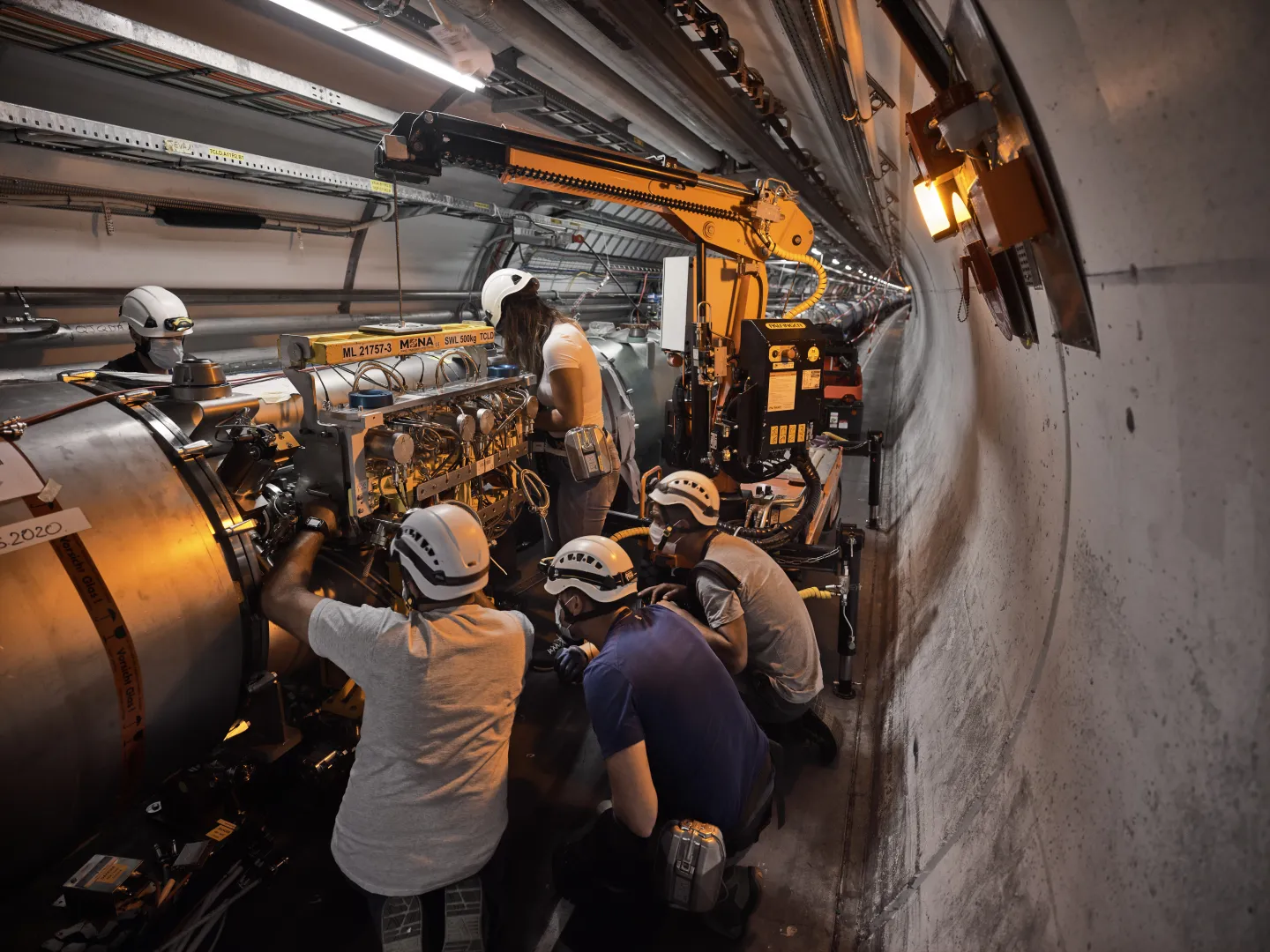
The HL-LHC-WP5 teams are extremely busy in LS2 because some of the key upgrades for HL-LHC will already be used in LHC Run3: In this challenging period, when most laboratories and companies were affected by the international crisis caused by the COVID-19, the companies involved in collimation production managed to continue working efficiently, though at
-
Technical reviews of the HL-LHC Beam Dump System, the Collimation System and the Crab Cavity System
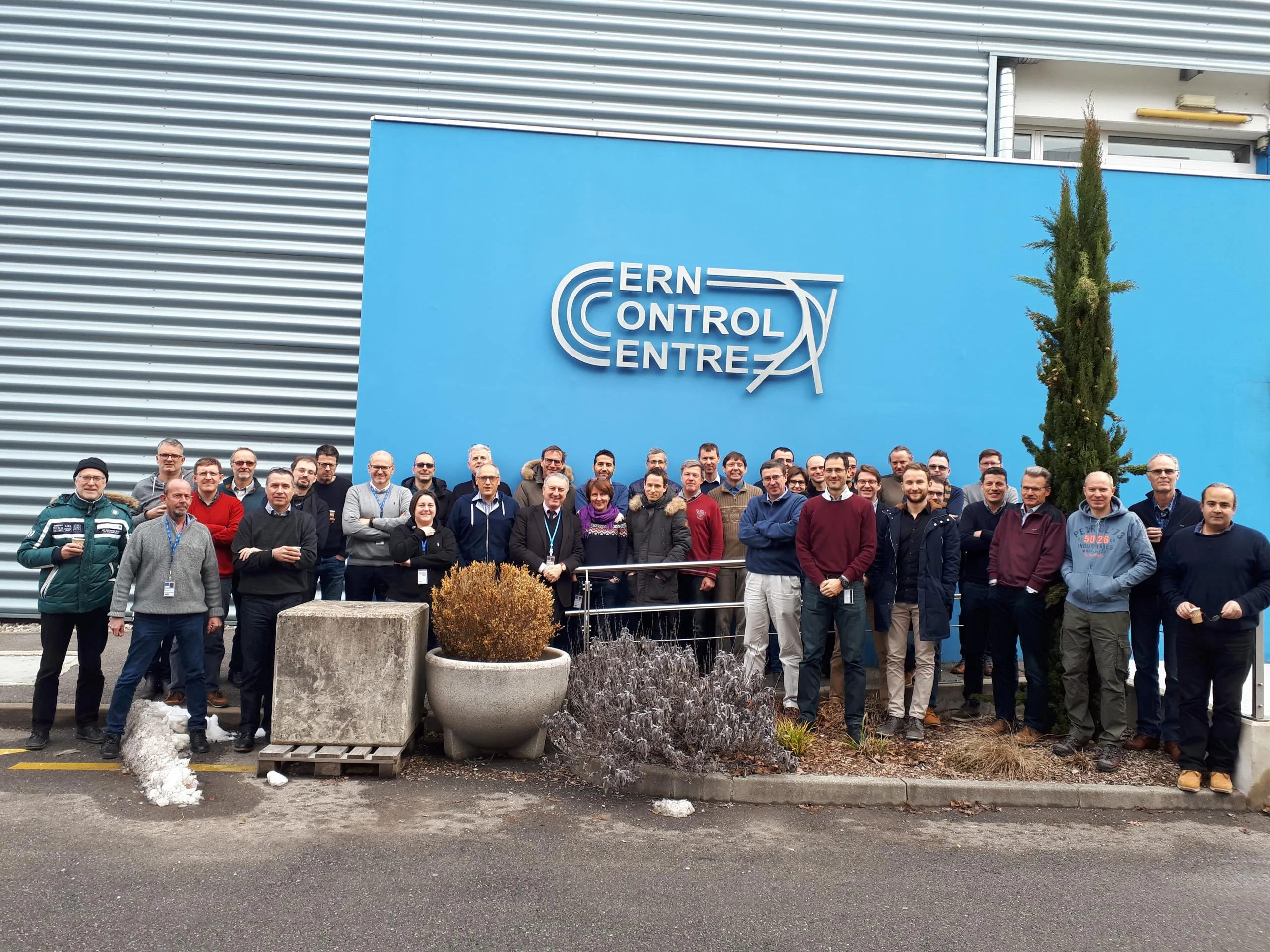
The CERN internal review of the HL-LHC Beam Dump System [BDS] took place on February 5th and was chaired by Volker Mertens. It was to a large extent triggered by two observations from the LHC beam operation towards the end of Run2, which led to the recommendation of integrating two options of the HL-LHC project
-
Update on the collimator developments: first picture of the TCLD from CINEL
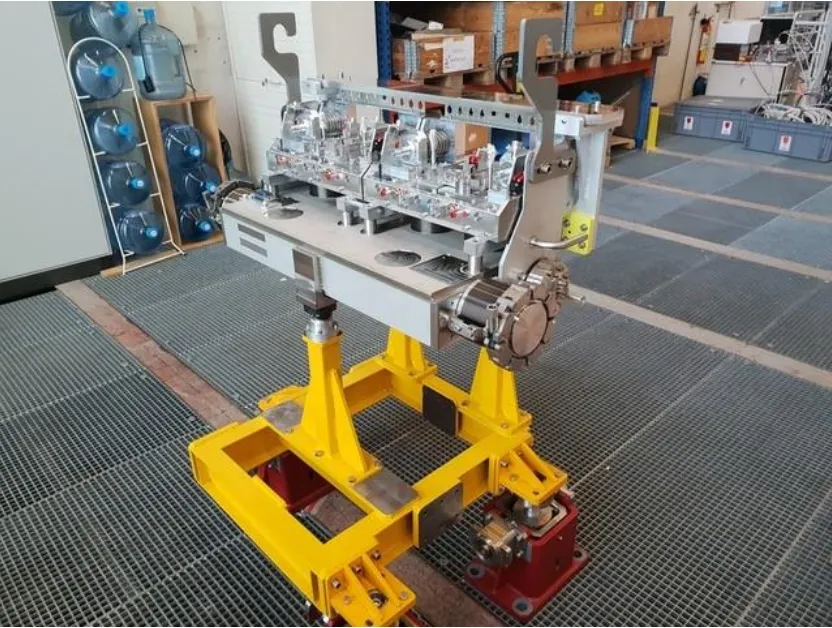
One important upgrade for HL-LHC is the installation of new collimators, called TCLD, in the dispersion suppressors next to IR7 and IR2. The TCLDs are needed for proton and heavy-ion operation to intercept particles that differ from the main beam in either energy or, in the case of ions, charge-to-mass ratio. In IR7, the source
-
Highlights from the HL-LHC Work Packages
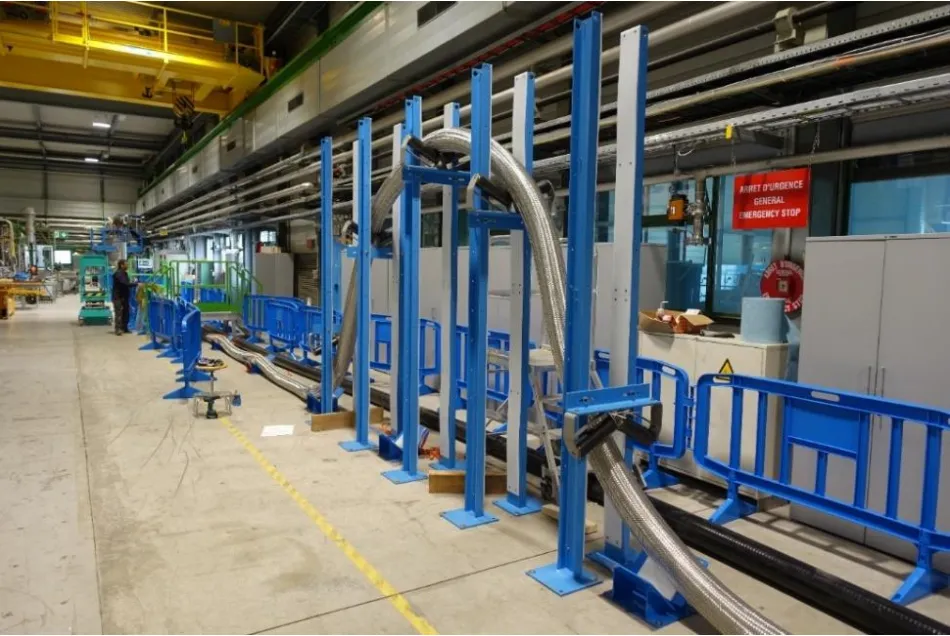
WP2: Performance and Beam Dynamics During a measurement campaign in 2017 at the LHC, it was clearly demonstrated for the first time the beam lifetime improvement due to a compensation of the beam-beam long range effects, using DC current baring wires. The measurements and design studies are continuing during 2018 for further refining of the