Tag: KEK
-
WP3 contribution
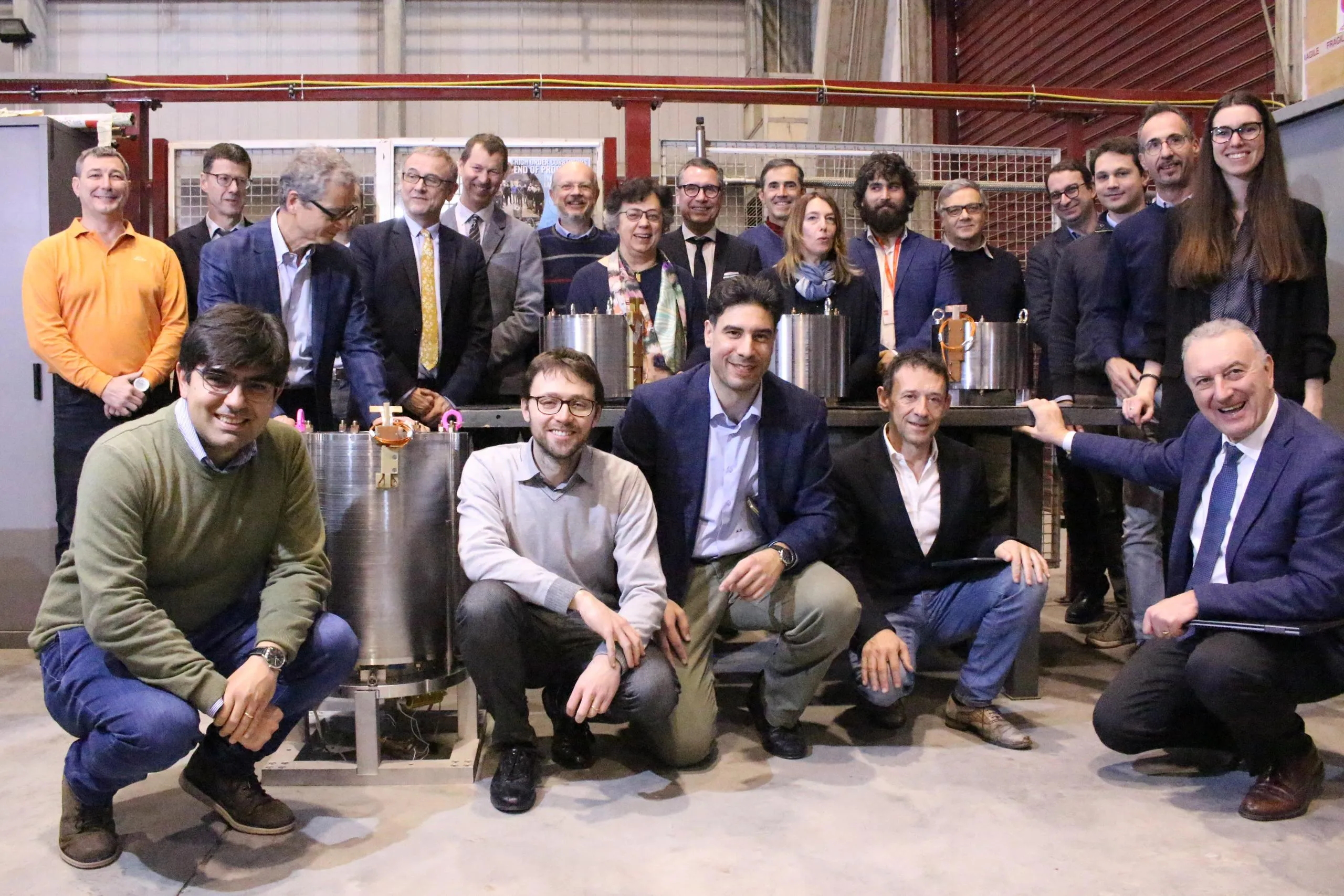
INFN collaboration: High order correctors and D2 recombination dipole The last batch of the 54 high order corrector magnets was successfully tested in LASA by the end of 2022, and all correctors have been delivered at CERN. In February 2023, a celebration was held to mark the end of the first series production of HL-LHC
-
Overview of collaboration status
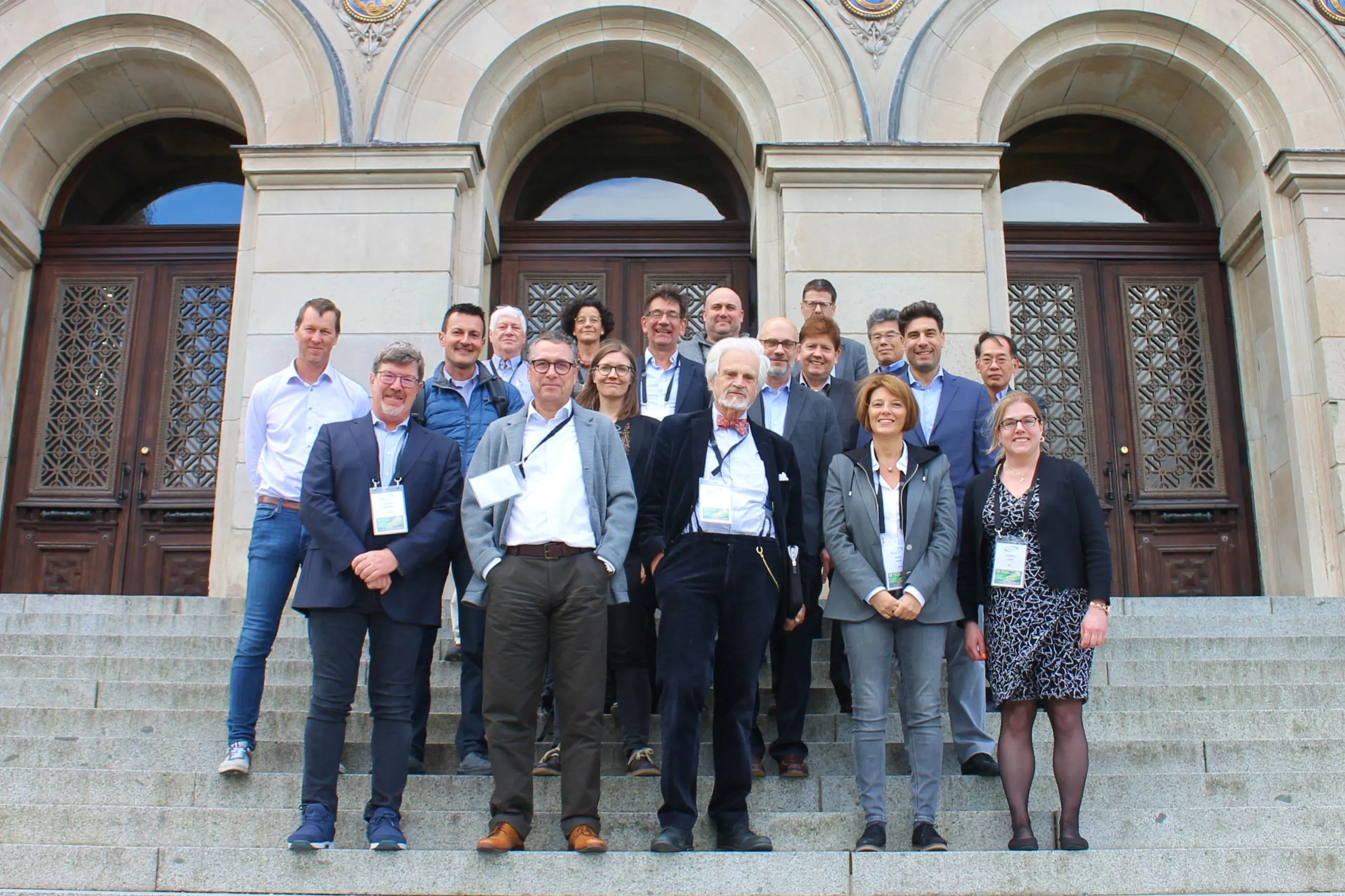
The HL-LHC collaboration office continues to update existing and put in place new agreements. Since the beginning of 2023 we have been busy updating UK Phase 1 agreements allowing for the final invoicing to take place. Many of the planned deliverables were delayed during COVID so several dates for the expected invoices and a few
-
WP3 contribution – Issue 6
The magnet program has reached several milestones since the last annual meeting: in the following we summarize the main achievements of our collaborations. The AUP progress on the MQXFA magnets is covered in a dedicated article (link). INFN collaboration and the D2 and corrector package cold masses The production of the 54 high order corrector
-
Status of MQXF production and test results
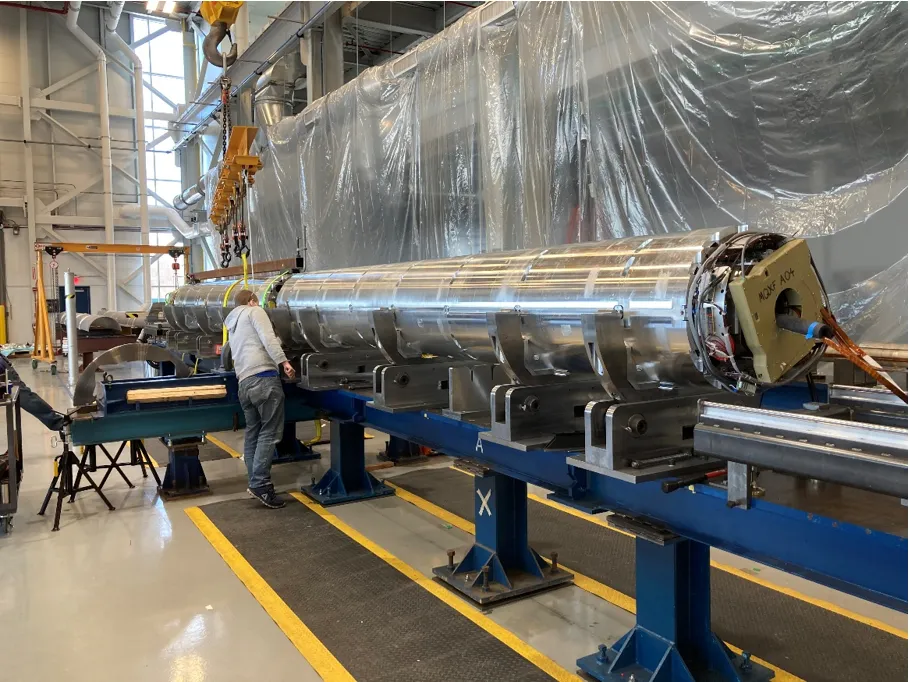
Nb3Sn triplet (MQXF) After the successful tests of MQXFA03 and MQXFA04, that allowed last year to obtain the approval of the US contribution by the DOE, MQXFA05 has been tested in May 2021. The magnet (in a vertical dewar and without outer stainless-steel shell, as MQXFA03 and MQXFA04) reached the required performance, confirming the absence
-
RFD Assembly
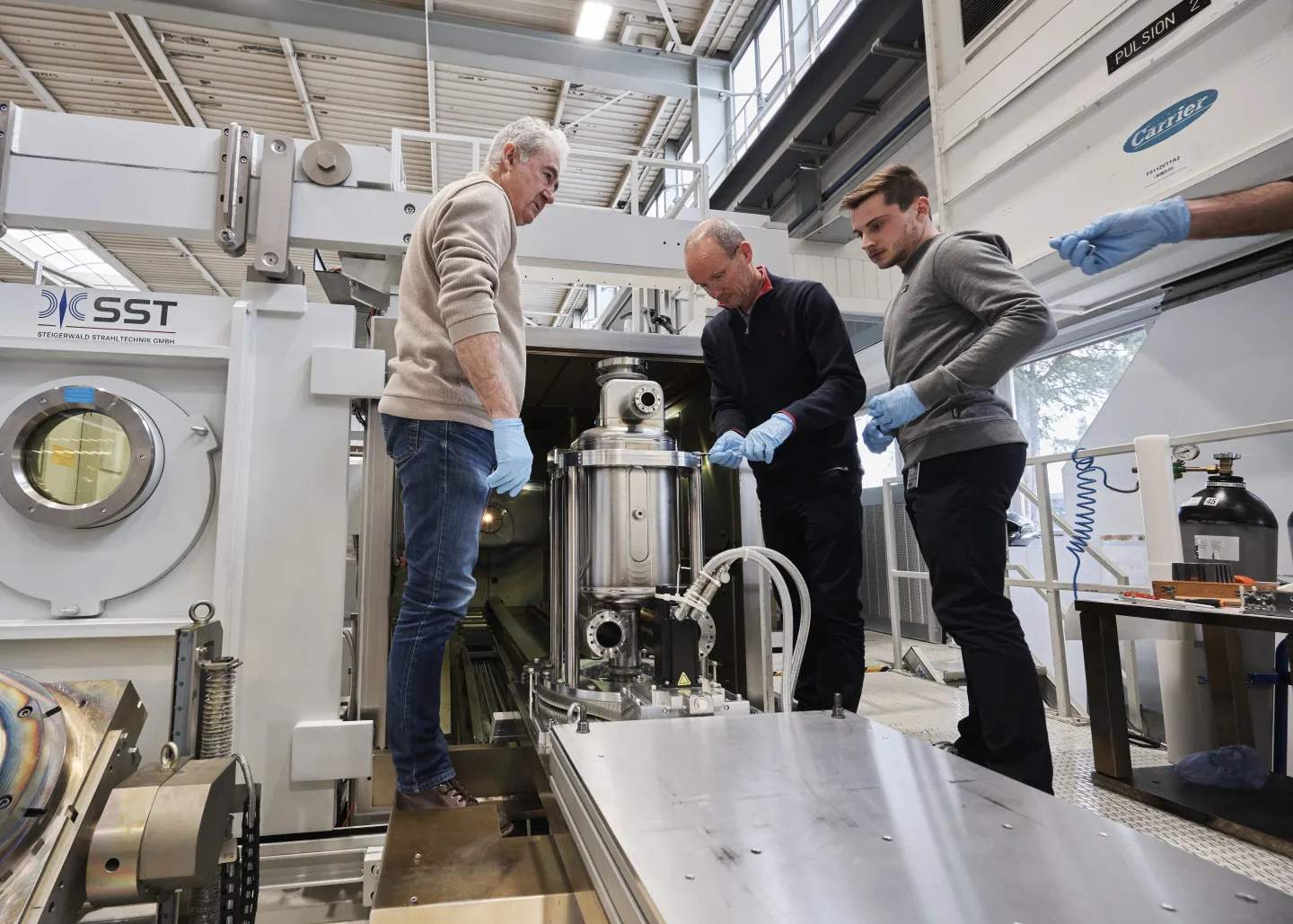
Two prototypes of RF dipole cavities which provide horizontal crabbing for the HL-LHC were successfully built at CERN. The frequency tuning setup before the final two welds is shown in the figure below. The frequencies of both cavities were within 100 kHz (negligible) showing the surgical precision in the manufacturing techniques for such a complicated
-
Status of Magnet Production and Test Results
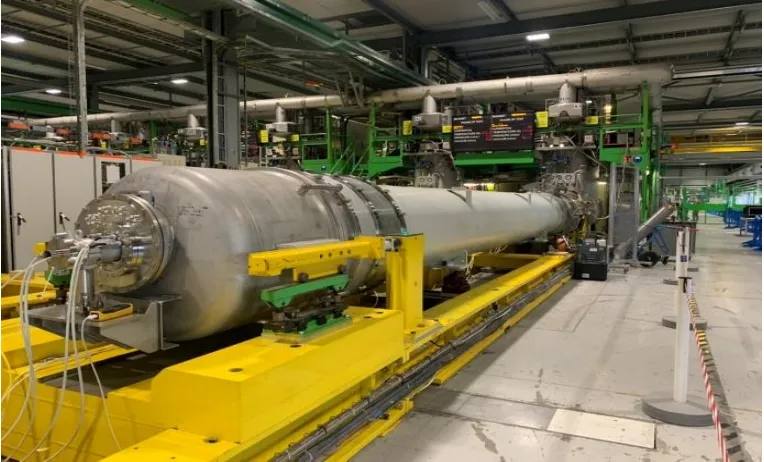
Nb3Sn triplet (MQXF) The most significant advancement has been the test of the third US-AUP full size magnet, named MQXFA03. The magnet reached nominal gradient with limited training and is the first magnet ready to be included in the first cold mass to be installed in the IT-String test. The test was particularly significant since
-
D1 and D2 and HO corrector review
In December 2018, a review of the design of the D2 correctors and HO correctors took place in CERN. The committee supported the selected designs that showed to reach the required performance. For the D2 correctors, based on the CCT concept that is being used at CERN for the first time, a special effort on
-
Technical reviews of the HL-LHC Beam Dump System, the Collimation System and the Crab Cavity System
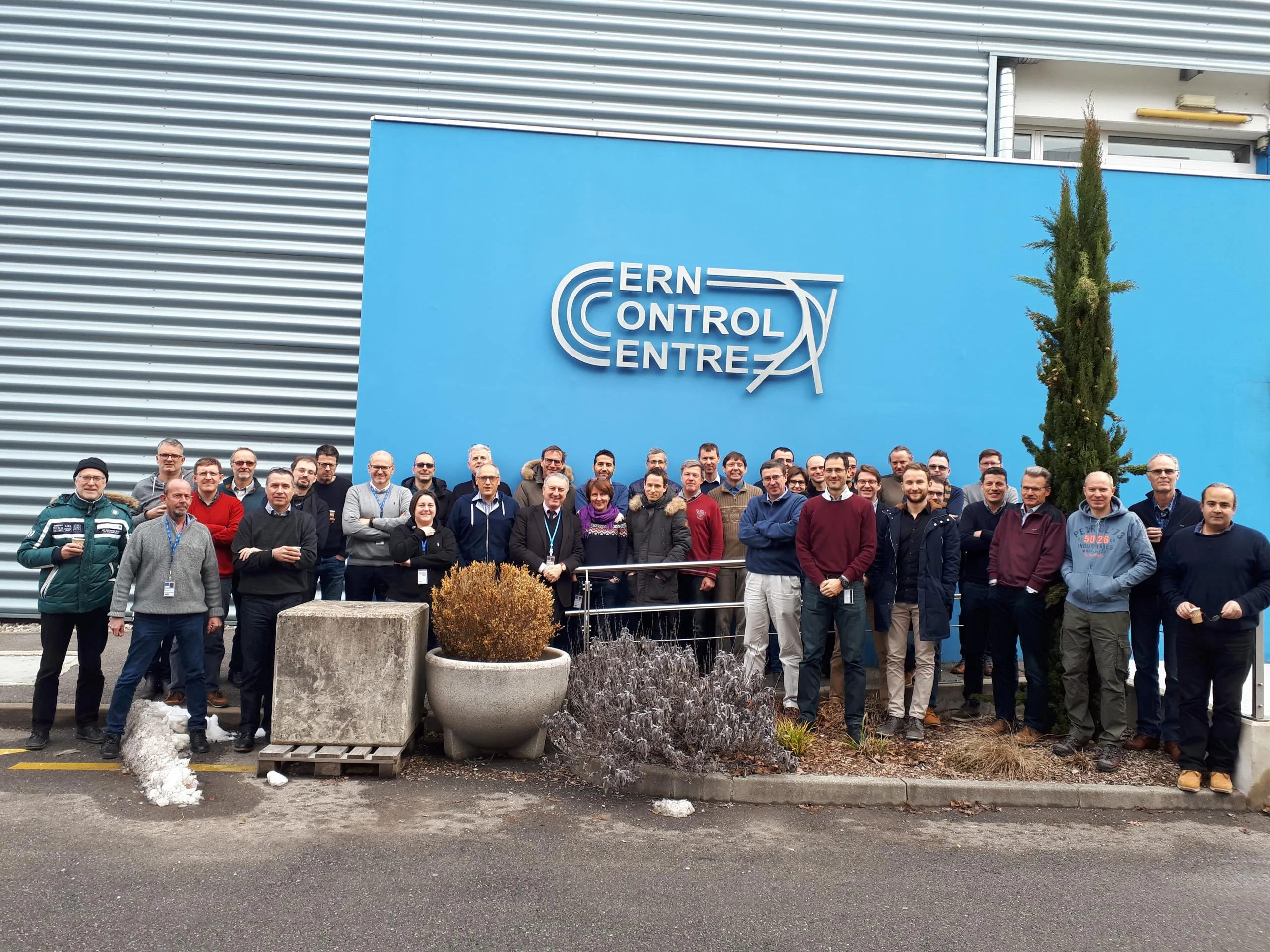
The CERN internal review of the HL-LHC Beam Dump System [BDS] took place on February 5th and was chaired by Volker Mertens. It was to a large extent triggered by two observations from the LHC beam operation towards the end of Run2, which led to the recommendation of integrating two options of the HL-LHC project
-
Status of magnet test results
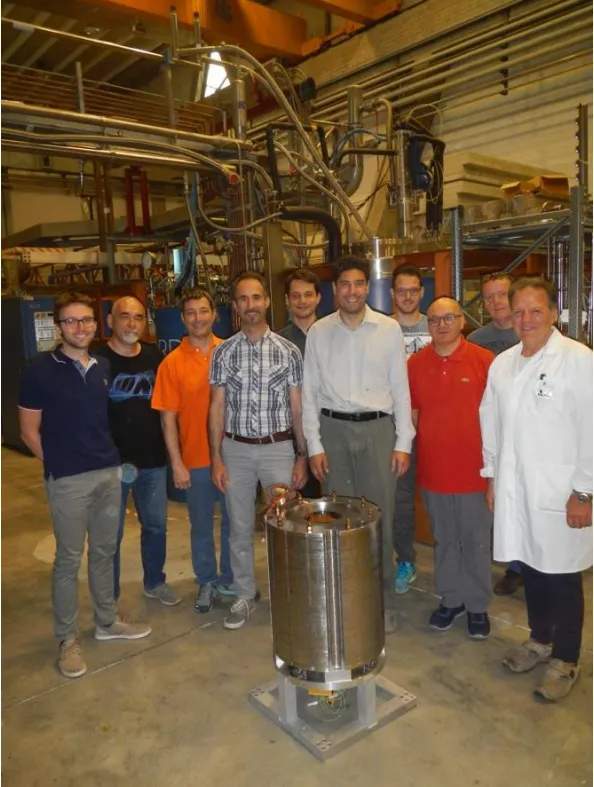
The last short model of the Nb3Sn quadrupole was limited below nominal current by one coil: to overcome this issue, the limiting coil shall be replaced magnet and the magnet shall be tested in summer. The results of the test on US prototype has been reported here. The first prototype of the nested corrector MCBXFB
-
Highlights from the HL-LHC Work Packages
WP2: Performance and Beam Dynamics During a measurement campaign in 2017 at the LHC, it was clearly demonstrated for the first time the beam lifetime improvement due to a compensation of the beam-beam long range effects, using DC current baring wires. The measurements and design studies are continuing during 2018 for further refining of the