
Category: Issue 08
-

Planning of the 2024 Annual Meeting and Cost & Schedule Review
Our annual HiLumi Cost & Schedule Review (CSR) will take place between the 11th and 14th November. After another lively procurement year, where commitments are expected to reach 74% of the budget at completion by the end of the year, we need to consolidate the status of the full project for what might be the
-
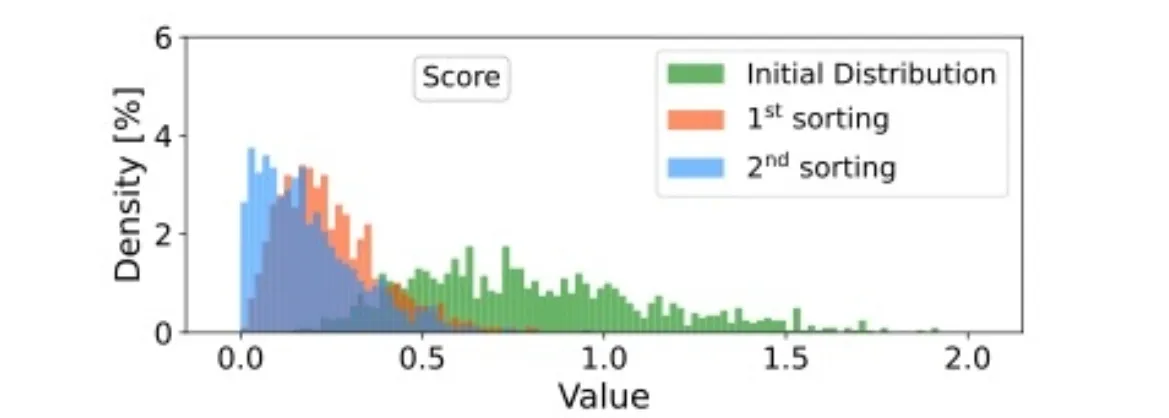
The challenges of magnet sorting for the HL-LHC
Magnet sorting is a challenging process that aims at improving the performance of a particle accelerator by the clever choice of the position of the magnets to induce a natural compensation of the field errors that are inevitable in modern superconducting magnets. These studies are intrinsically multi-faceted and an appropriate figure of merit should be
-
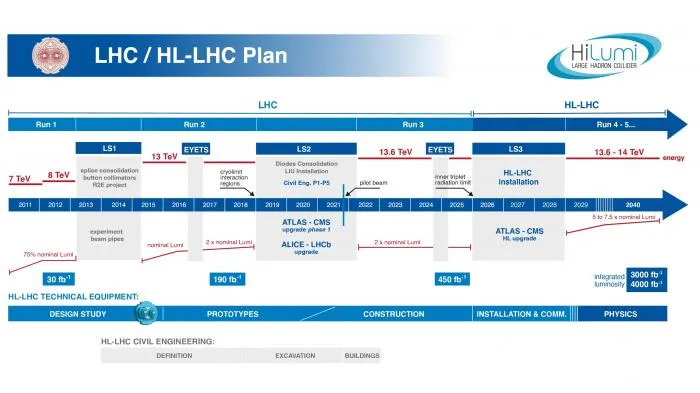
Long Shutdown 3 schedule and readiness review
The HL-LHC Project will culminate with the accomplishment of a very demanding installation phase during the Long Shutdown 3 (LS3). To assess the project’s readiness, a tracking process on the expected availability of equipment has been implemented. The careful follow-up of this installation schedule float plays an important role in the strategical decision-making process. It
-
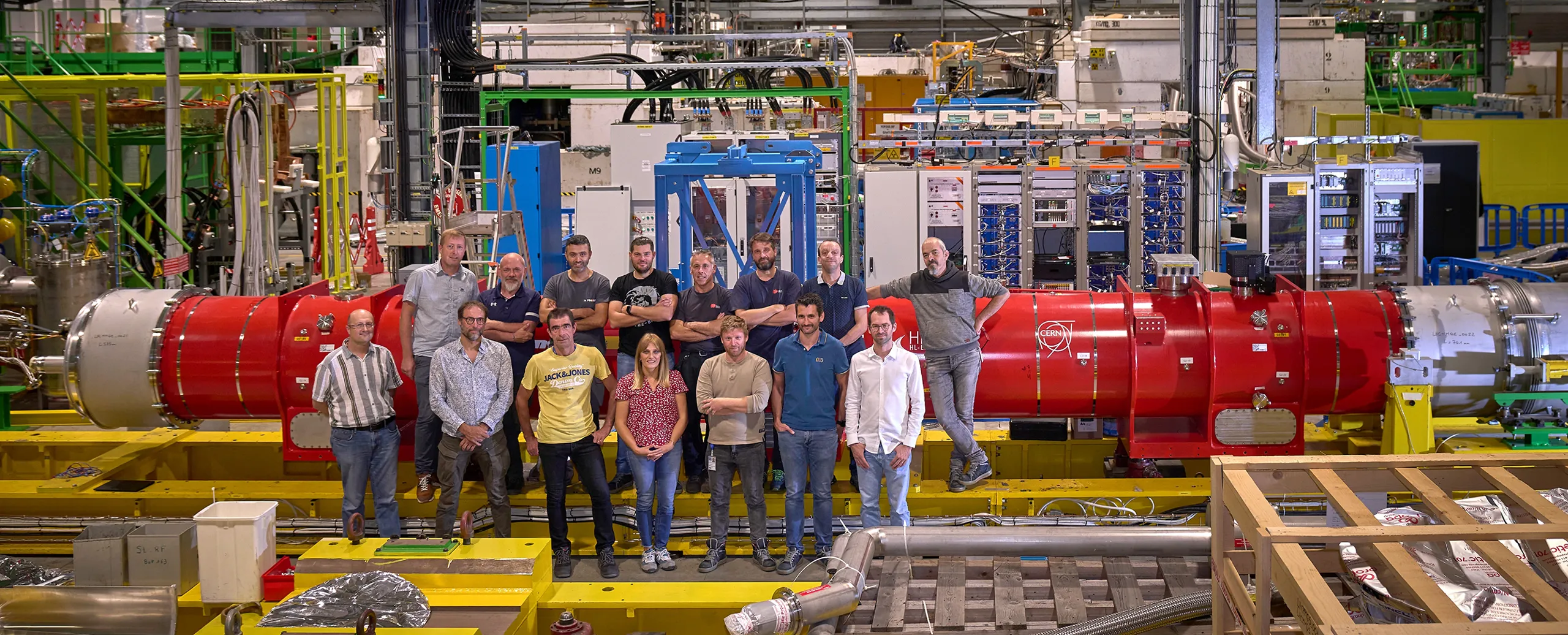
Status of SM18 test benches for SC magnets and SC-link, and test plan for 2024
Test bench requirements for the HL-LHC In the last years, the horizontal test benches have been modified to accommodate the HL-LHC magnet and SC-link test program. The number of HL-LHC magnet cryoassemblies to be validated (24 magnets + 8 SC-links + spares) is much lower than for the LHC, but there are more variations in
-
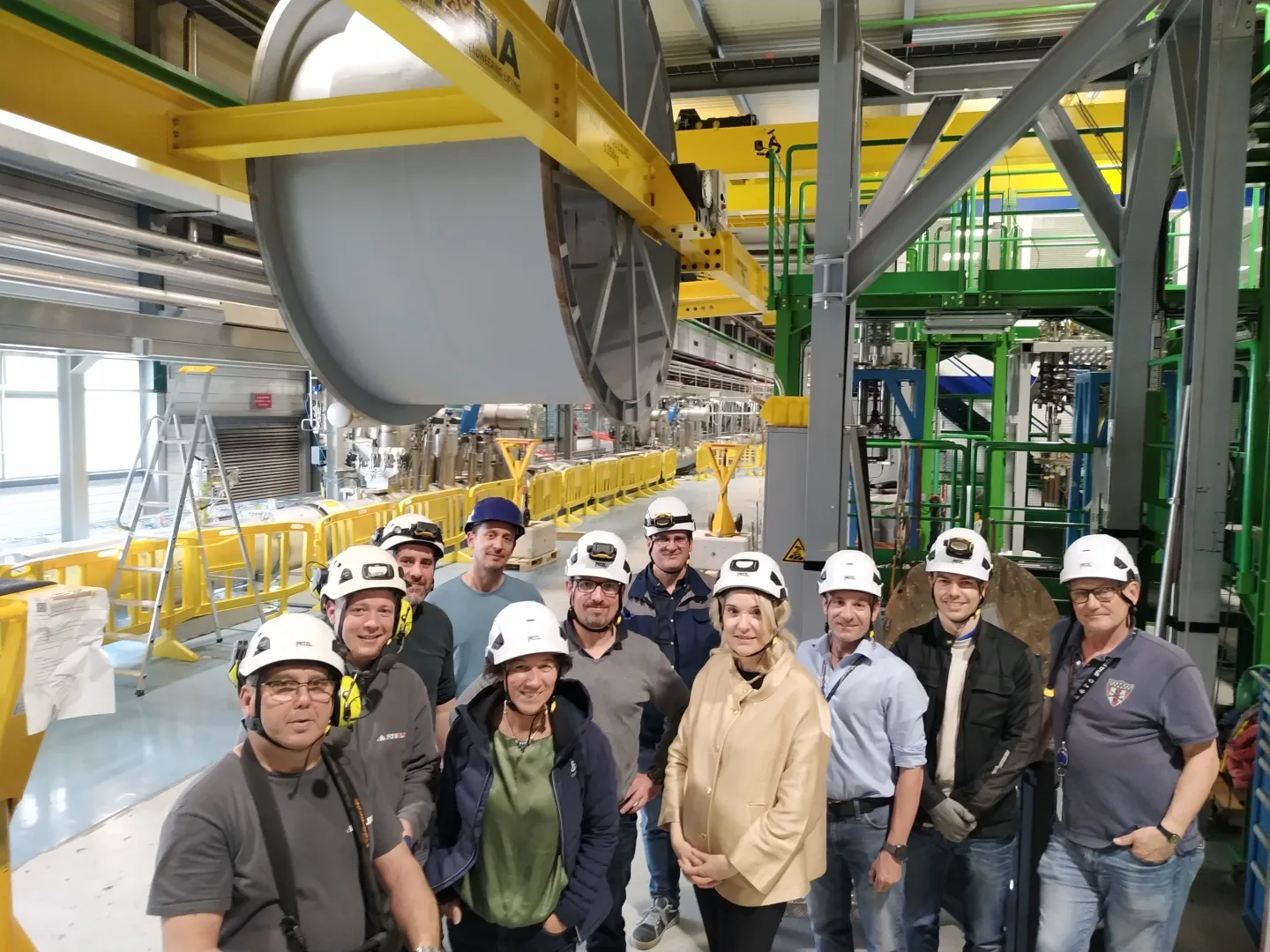
IT String – results from SQXL commissioning and SCT, and preparations for installation of the cold powering system
The operation of the IT String represents a significant milestone for the HL-LHC Project as it is where many state-of-the-art technologies developed for the HL-LHC will operate collectively for the first time. The installation and commissioning of this unique test stand have seen relevant achievements in recent months. Cryogenic system tests The IT String cryogenic
-
Status of the series HL-LHC DQW cryostating & infrastructure preparations
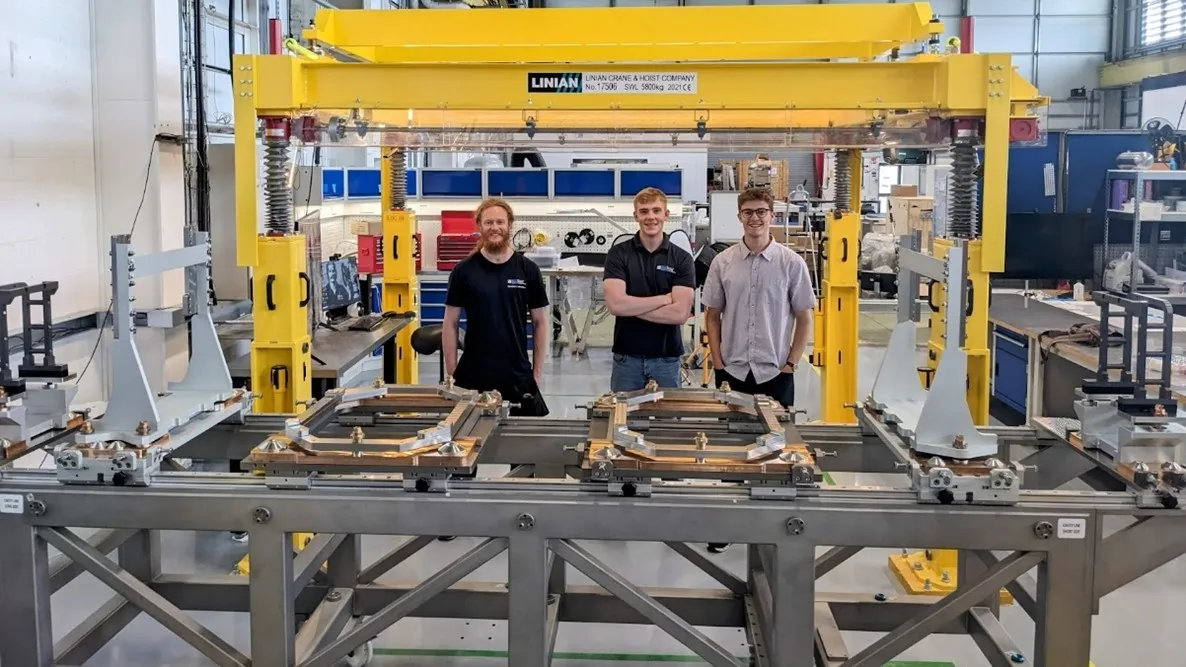
Two series dressed DQW cavities have been qualified at CERN and are being prepared for shipment to STFC in the UK for string assembly. Meanwhile, since the completion of the RFD SPS cryomodule in October 2023, the UK team at Daresbury Laboratory have been preparing for the series DQW cryomodules; upgrading infrastructure, updating assembly tooling,
-
Progress with series production of RFD cavities and preparations for cryostating
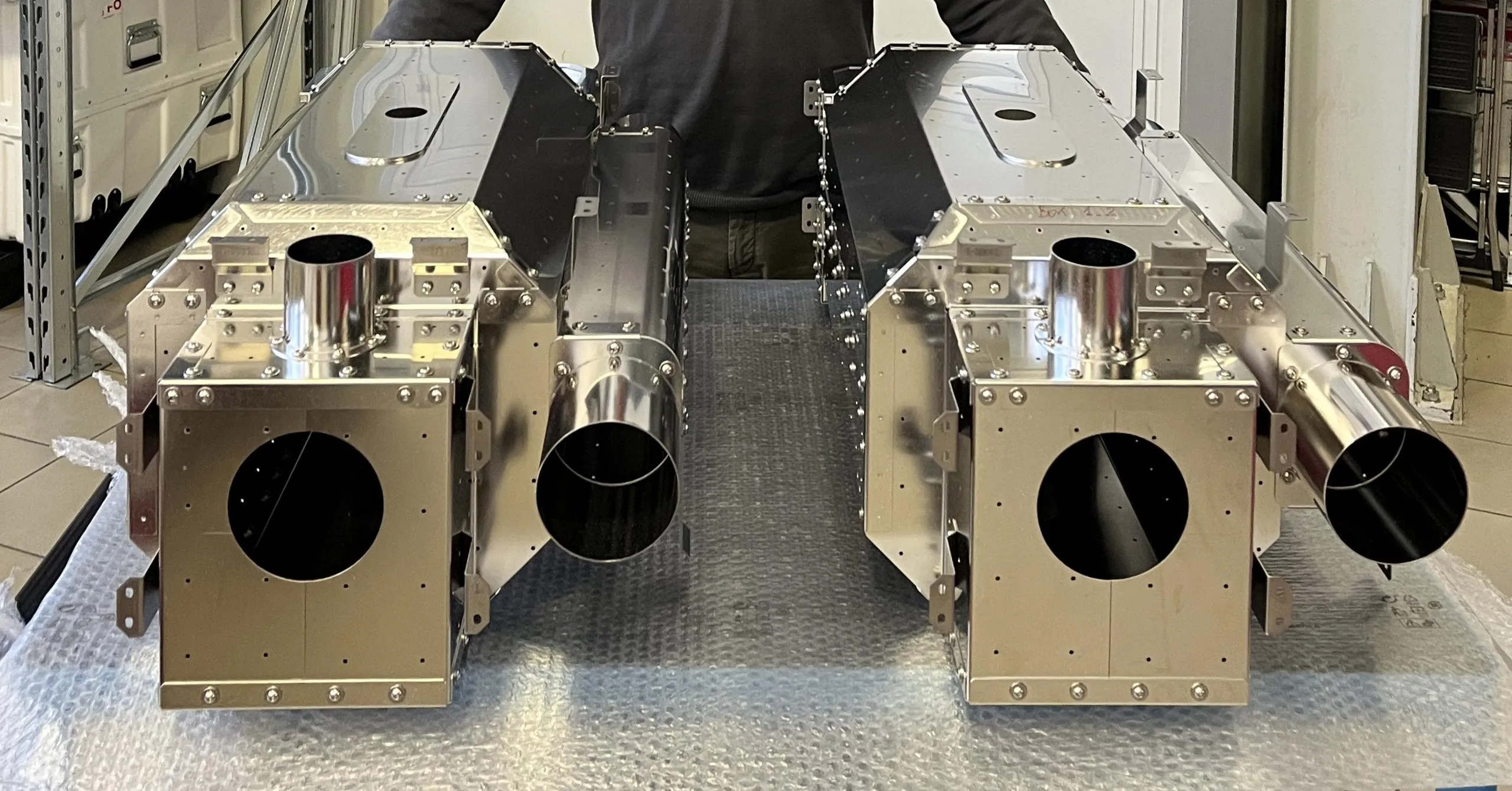
Accelerator Upgrade Program (AUP) cavity status and preparations at JLab Work is progressing well for the crab cavity portion of the US contribution to the HL-LHC Project. All contracts are in place with the industrial supplier for the manufacturing of the RF-dipole (RFD) crab cavities, where activities have now reached peak production after years of
-
Quench heater power supplies: signature of in-kind contribution and completion of four pre-series units
The Quench Heater Discharge Power Supplies (DQHDS) are essential magnet protection devices in the Large Hadron Collider (LHC), ensuring the safety and integrity of superconducting magnets since their initial deployment in 2007. Triggered by the detection of a magnet quench (the local, sudden transition from a superconducting to normal state), these devices release energy into
-
Promising results from HL prototype beam instruments
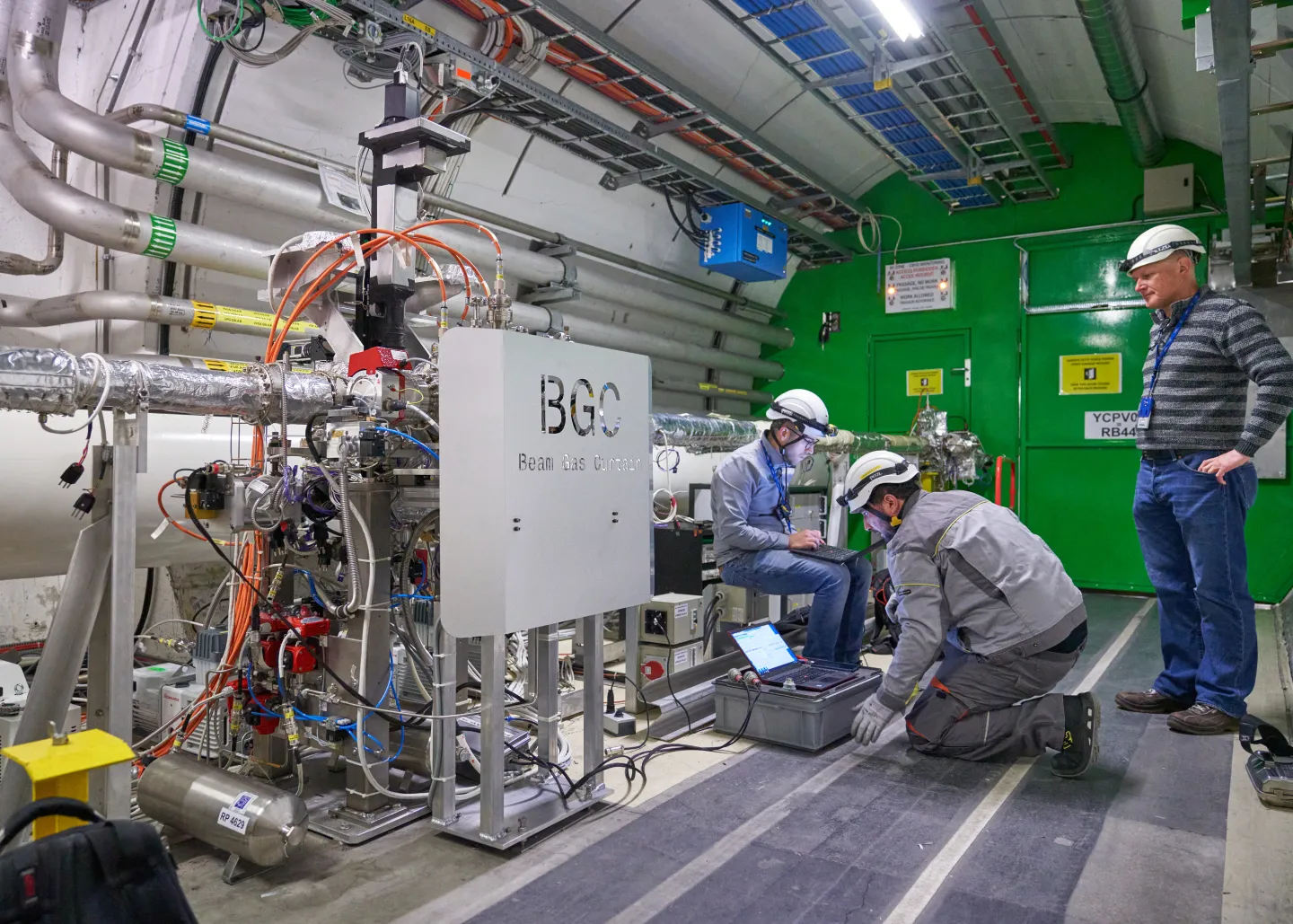
In the framework of the HL-UK2 collaboration, two novel beam instrument technologies are currently under development. The first is a non-invasive beam imaging system, known as the Beam Gas Curtain (BGC), which observes beam-induced fluorescence produced when charged particles interact with a thin gas jet. The second is a high-bandwidth beam position monitor designed to
-
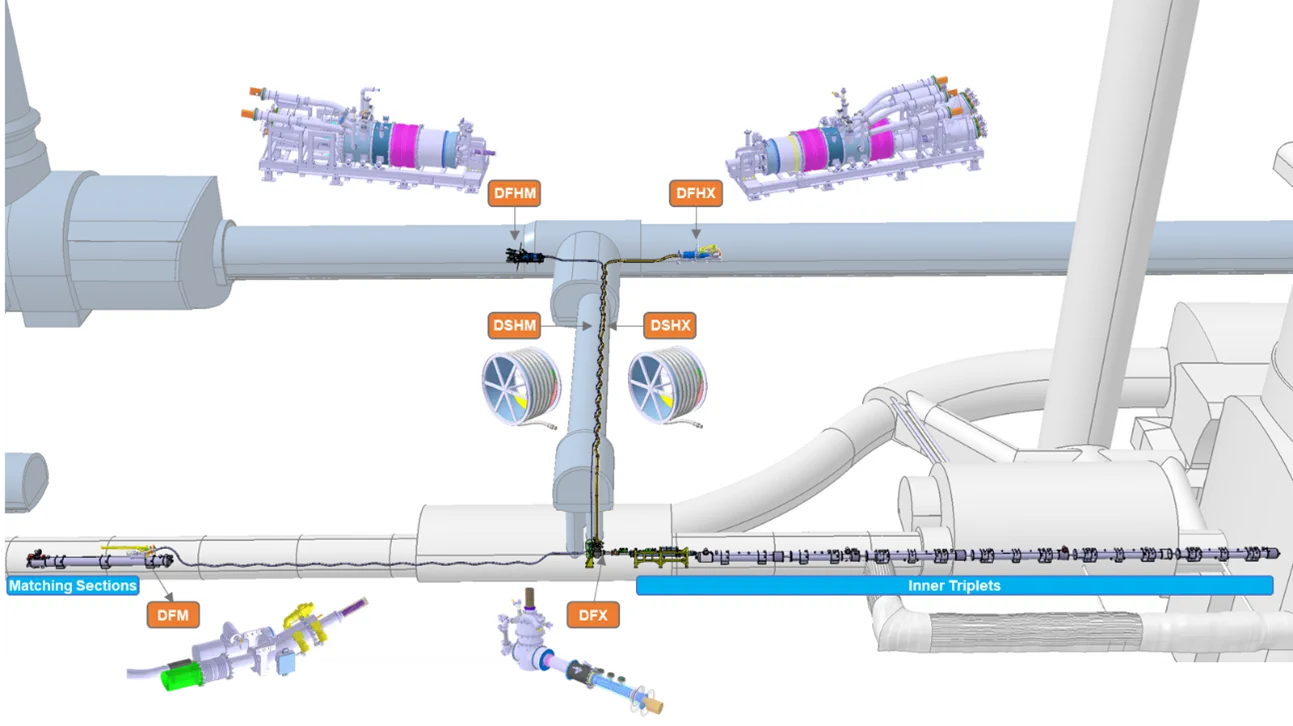
Progress with series production of DFHX/M by the University of Uppsala and DFX/M by the University of Southampton
The HL-LHC cold powering systems transfer the current from the power converters, located in the new underground galleries, to the superconducting magnets of the HL-LHC inner triplets and matching sections at Point 1 and Point 5. Eight systems plus two spares of each of the two different types – ‘X’ for the inner triplets; ‘M’