
Category: Issue 06
-
Planning of annual meeting and CSR’22, including summary of CSR’21 outcome
Following a very successful exercise in 2021, CERNs Council has requested the Cost & schedule reviews of the HL-LHC project to be held annually, a lighter edition alternating every second year with a full project review. The 2022 – a light – edition has been scheduled for the 14th – 15th November. The CSR’21, first
-
HL-LHC procurement and current market situation
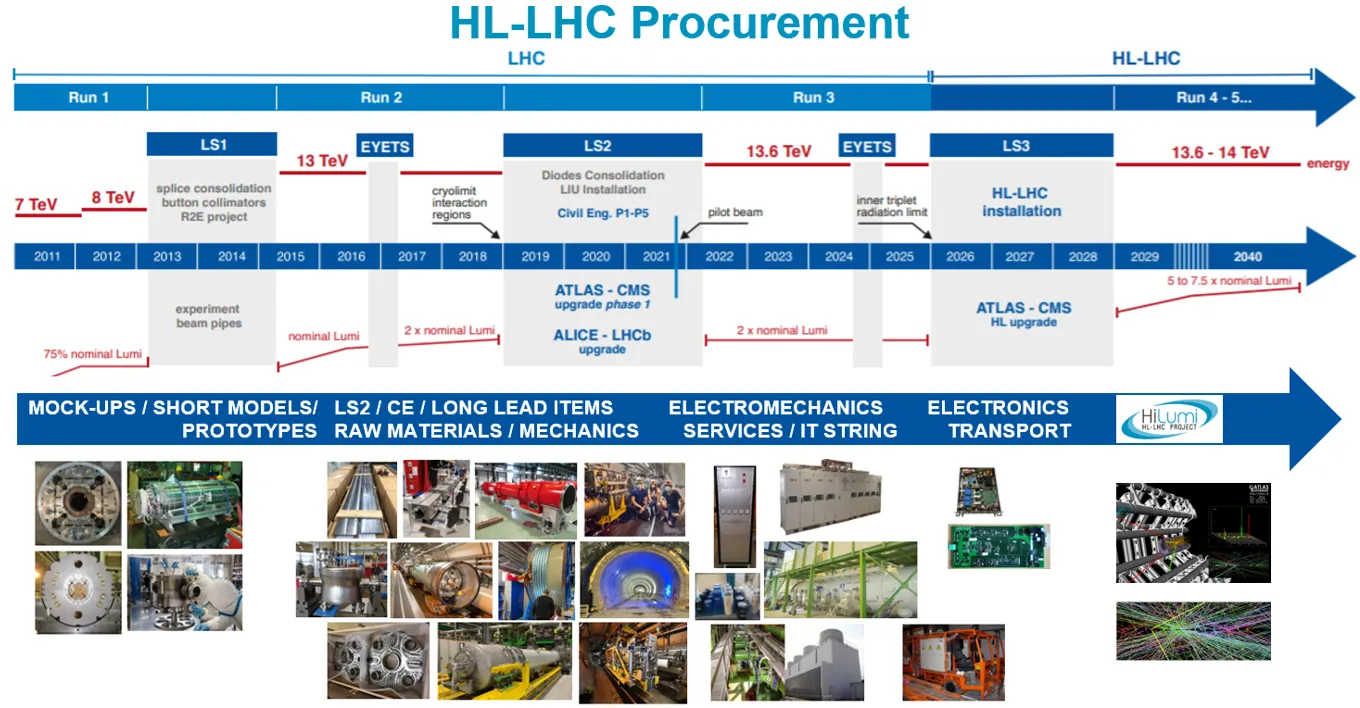
The High-Luminosity Project is finalising the transition from the prototyping phase into full construction mode and most of the activities in view of the series production for the HL-LHC hardware have already started across all work-packages. Procurement is closely following the baseline schedule of the project and is running in parallel to the project milestones.
-
Status of civil engineering works and technical infrastructures
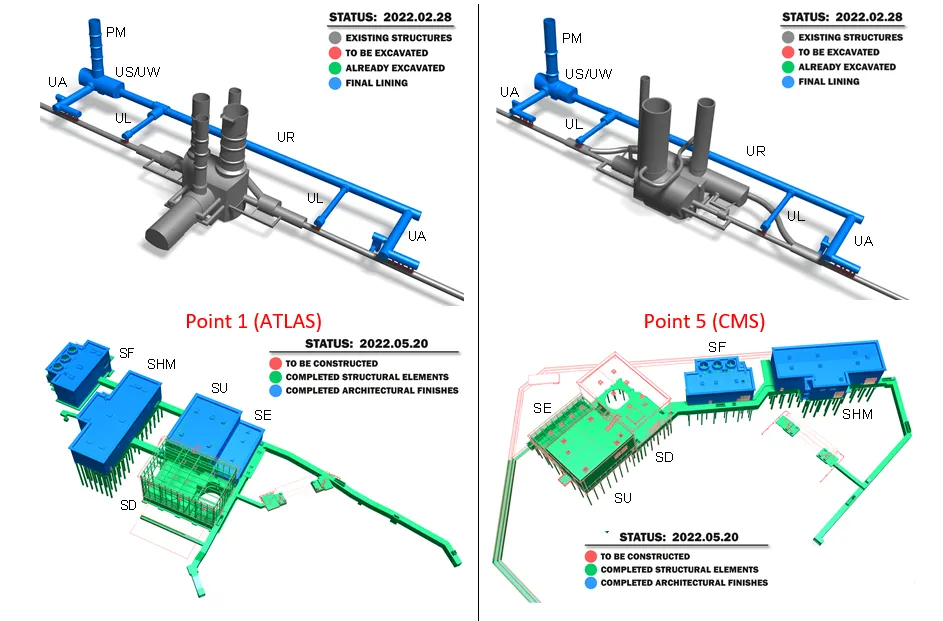
The civil engineering works is progressing well (the detailed progress status is shown in Figure 1). The underground works, including the metallic structures, have been fully completed at Point 1 in October 2021 and Point 5 in February 2022, with only one to two months of delay with respect to the contractual dates mainly due
-
The IT String making big leaps towards its operation
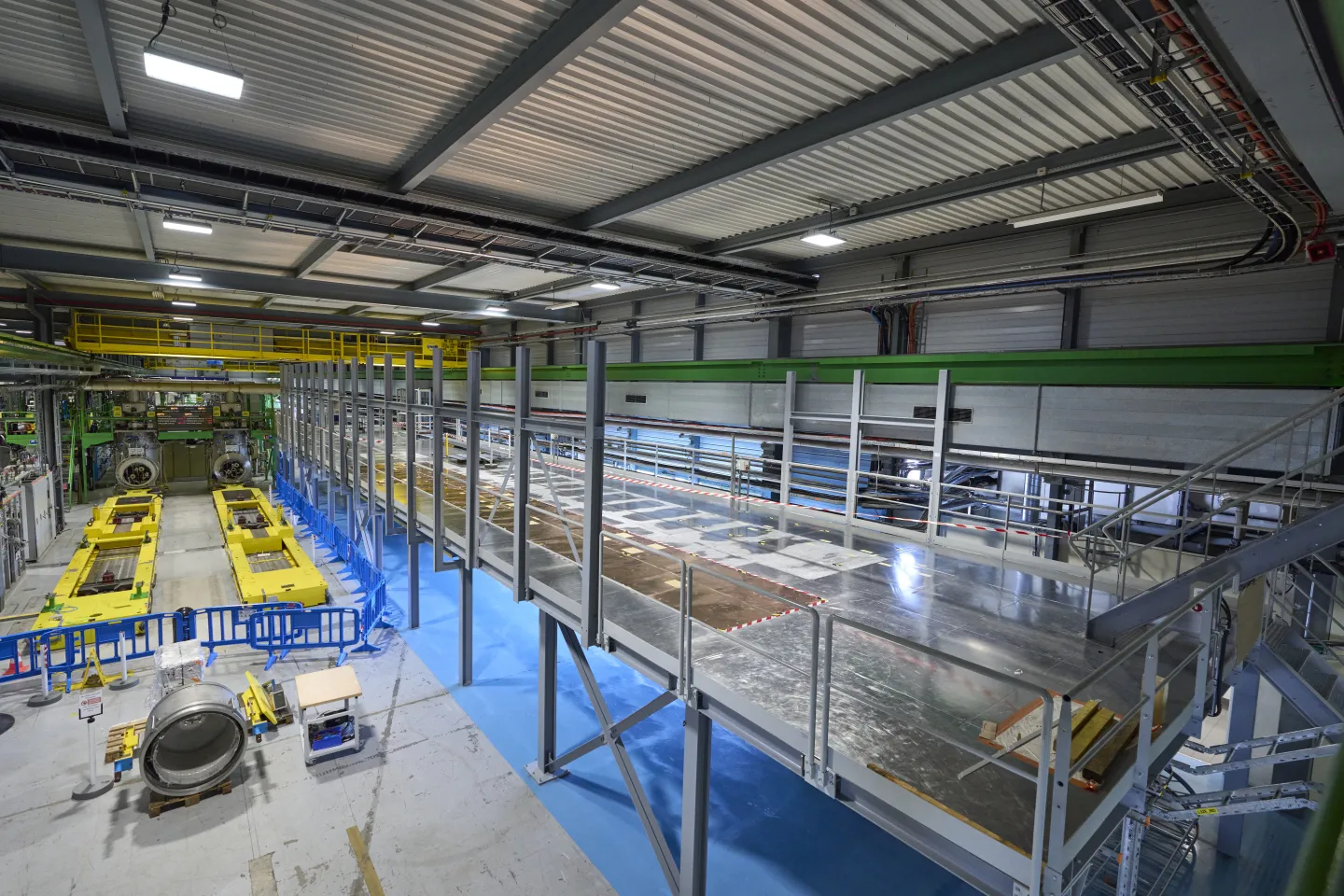
The HL-LHC IT String is a major, intermediate milestone for the HL-LHC project ahead of the installation of the first cold powering systems in the LHC tunnel during LS3. The IT String will enable testing of the collective behavior of many new key hardware systems designed for the new era of the High Luminosity LHC.
-
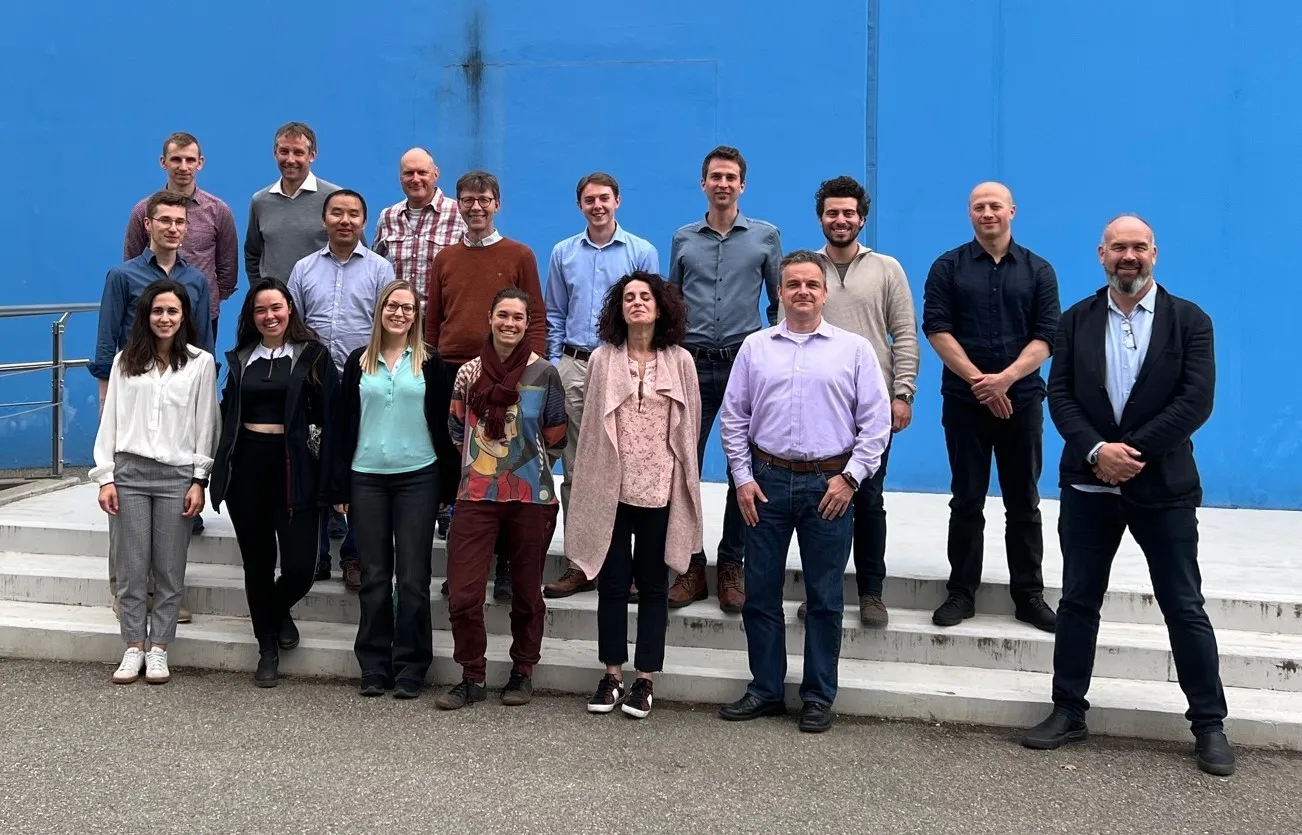
BGC Collaboration Meeting at CERN
The 8th Beam Gas Curtain (BGC) Collaboration Meeting was held at CERN in early April. The two-day meeting, organized by WP13 in collaboration with Cockcroft Institute (CI) and GSI, brought together senior scientists and the collaboration members from these institutions, including a number of young researchers. It also coincided with the presence of the CI
-
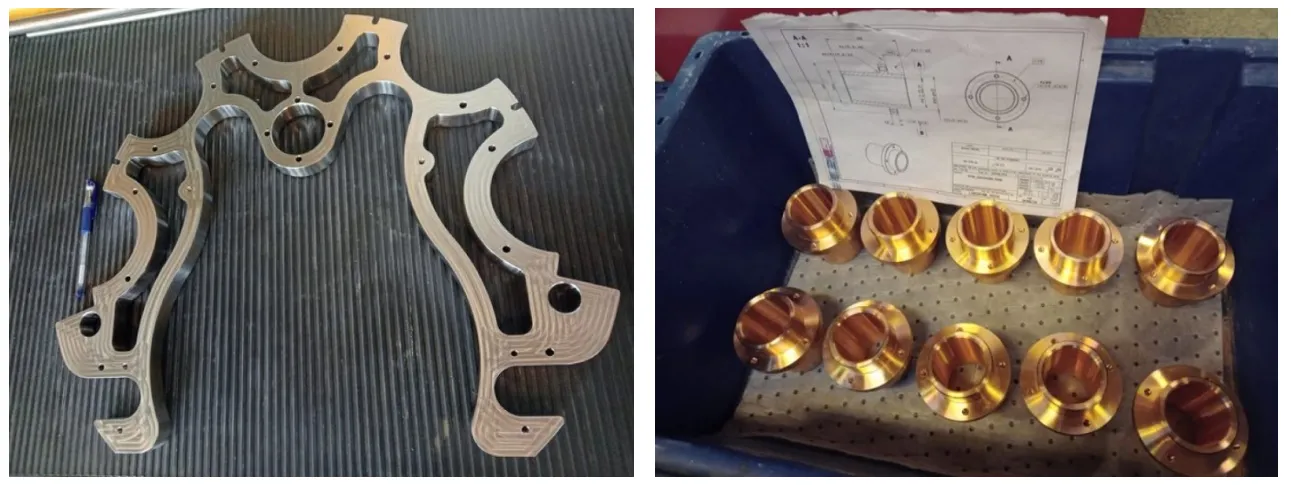
The DFH Cold Boxes produced in a CERN–FREIA/Uppsala University collaboration involving the Swedish RFR industrial company
This collaboration concerns the cryostat devices that will house and connect the HTS REBCO current leads to the MgB2 Superconducting Links powering the HL-LHC magnets. Nine cryostats (4 DFHX for the inner triplets and 5 DFHM for the matching section magnets) are to be manufactured. The fabrication of the cryostats is based on a “build-to-print”
-
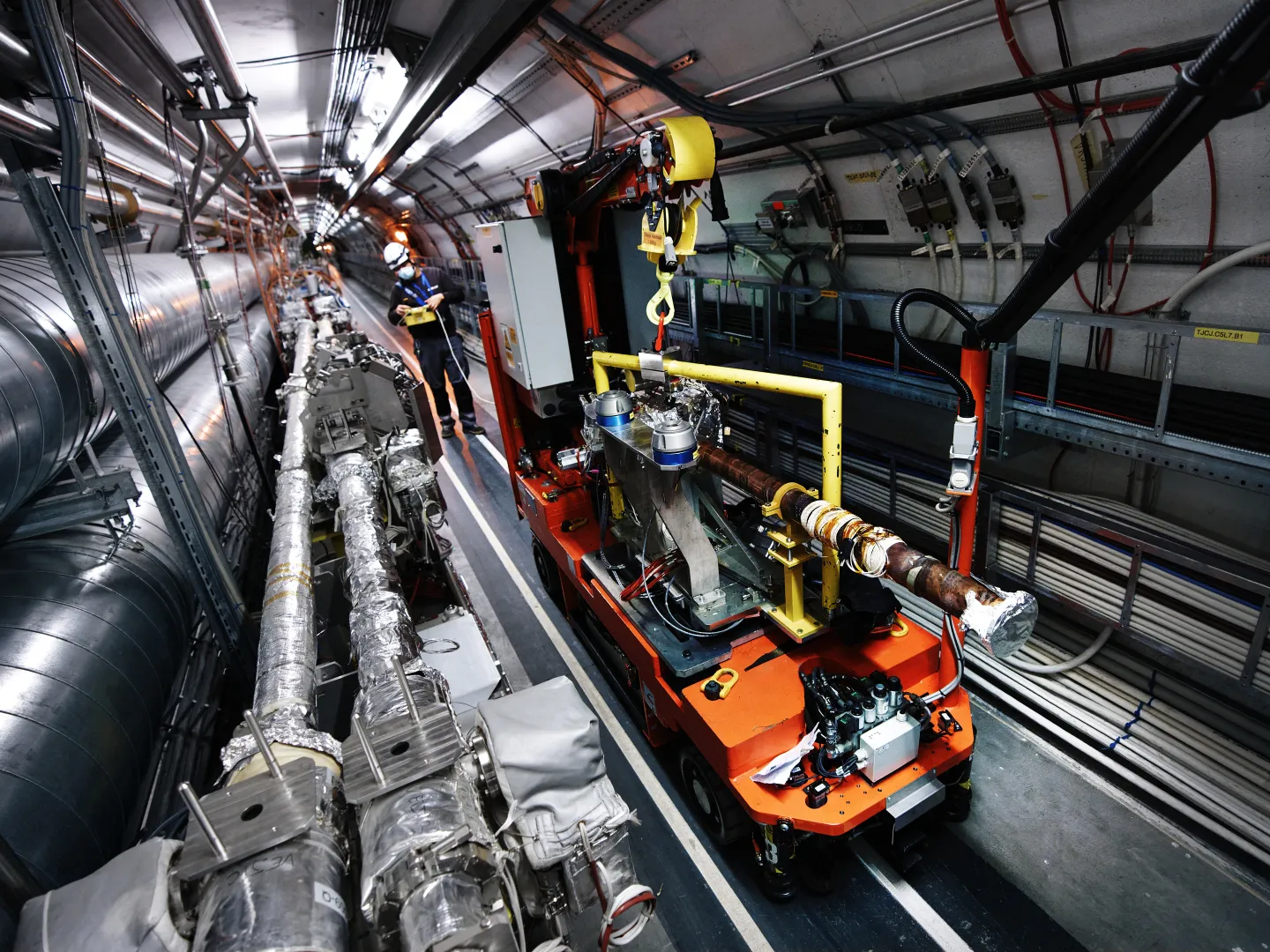
First beam commissioning of the new HL-LHC collimators at the LHC
The HL-LHC WP5 activities started in LS2 with some important upgrades in preparation to the full deployment of HL-LHC in LS3. The first phase of the collimation system upgrade during LS2 involved the installation of: The updated LHC collimation system layout for the recently started Run 3 is shown in Figure 1. Primary collimators and
-
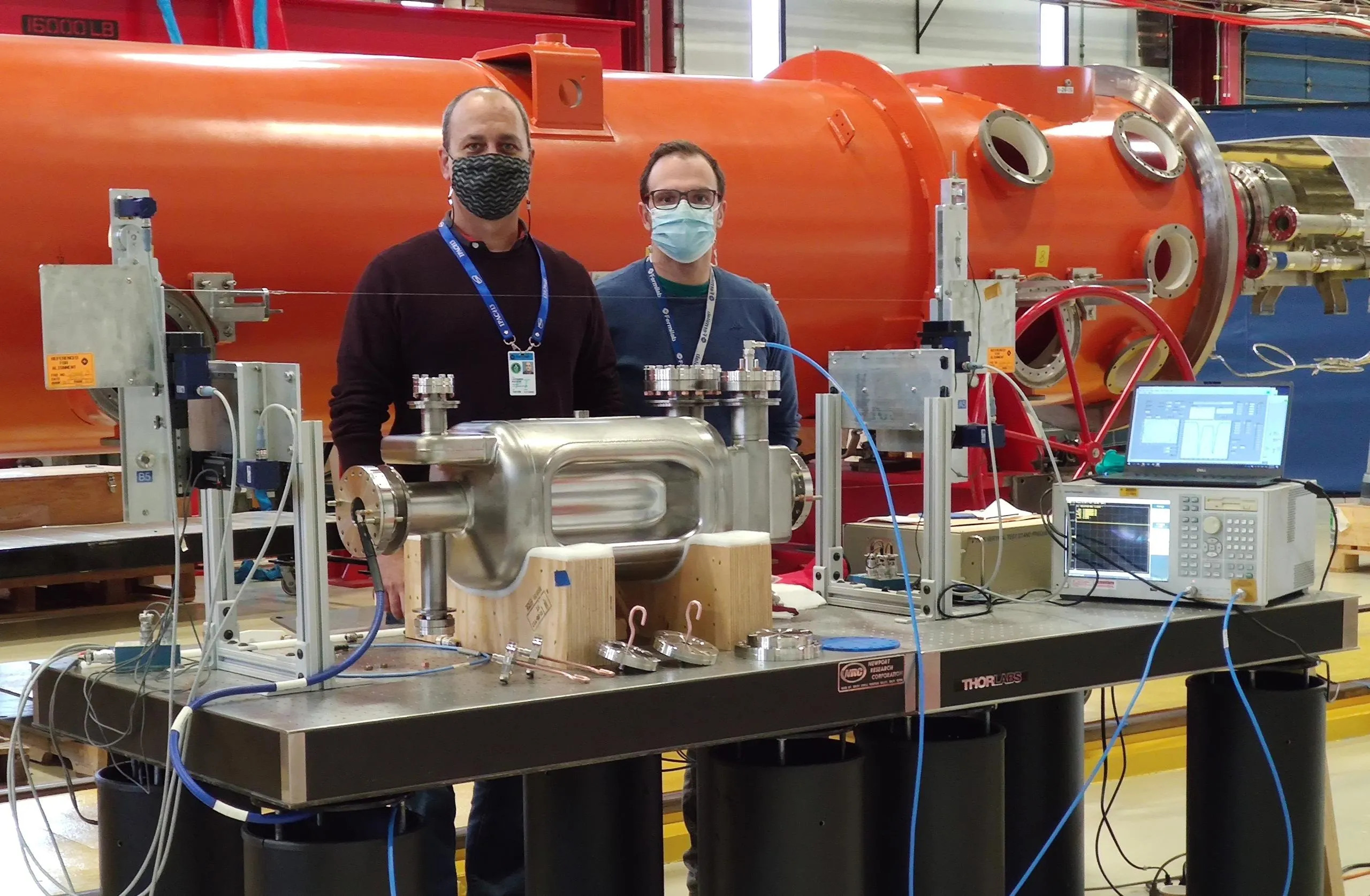
Start of series production for RFD CC at Zanon
In the framework of HL-LHC AUP in the US, last year two prototype RF Dipole Crab Cavities manufactured in Italy by Zanon Research & Innovation were validated successfully at FNAL through cold tests at 2K. One prototype reached a deflecting field voltage of 5.8 MV which is 40% above acceptance and 70% above nominal. The
-
Delivery of RFD CC to UK and cryostating
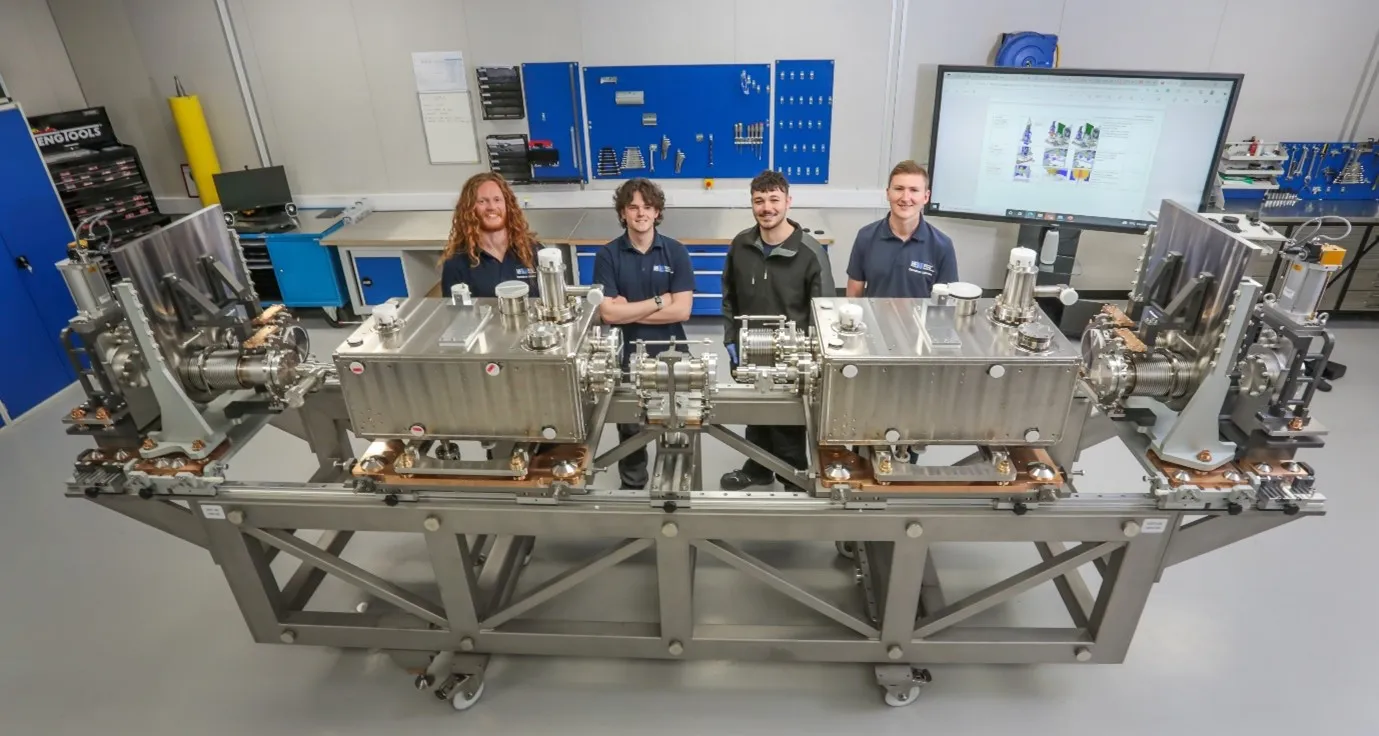
CERN, STFC Daresbury Laboratory (STFC-DL) and Lancaster University have collaboratively designed a pre-series cryomodule to house 2 “RF Dipole” type Crab Cavities, with the aim of assembling the module at Daresbury Laboratory and testing at CERN in 2023. The first of the two cavities and ancillaries produced by CERN arrived safely at Daresbury Laboratory on
-
WP3 contribution – Issue 6
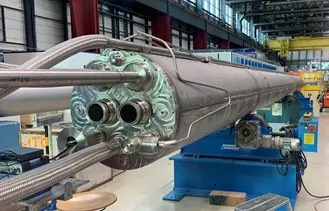
The magnet program has reached several milestones since the last annual meeting: in the following we summarize the main achievements of our collaborations. The AUP progress on the MQXFA magnets is covered in a dedicated article (link). INFN collaboration and the D2 and corrector package cold masses The production of the 54 high order corrector