
Category: Issue 04
-
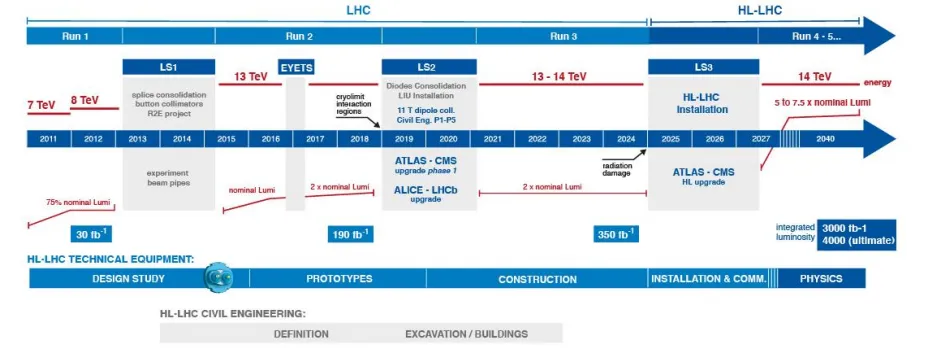
Summary of the TCC Day and New Schedule as Agreed on during November Meeting in 2019
In an effort to further enhance the communication and transparency of activities having potential dependencies in terms of schedule or resources on other HL-LHC WPs, a first TCC day was organised on 12th March 2020. The meeting was also the occasion to commonly discuss all further opportunities of descoping and to assess the consequences of
-
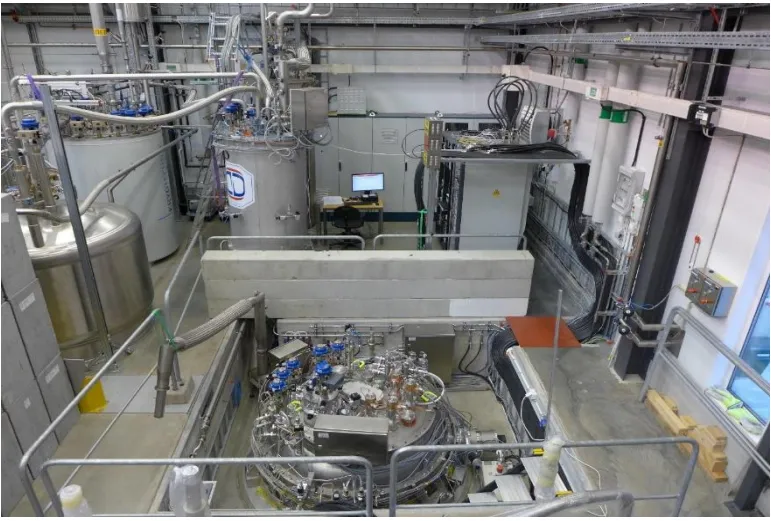
Qualifying Magnets and Cavities at FREIA
Uppsala University in Sweden has been a valuable collaborator since the foundation of CERN. In the 1950’s, Uppsala, having just constructed its own cyclotron, contributed to the development of the very first accelerator at CERN: the synchrocyclotron. In the 1980’s CERN assisted Uppsala with the construction of a proton and heavy-ion accelerator and cooler-storage ring
-
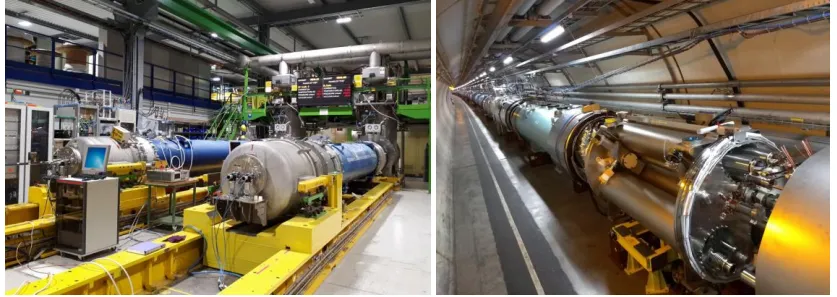
11T First Successful Magnet Tests
Since Issue 3 of the HL-LHC CB Newsletter, three of the six series magnets were tested at cold [S1, S2, and S3], and another one [S4] is ready for testing on a test bench in SM18. On the side of production, the construction of the cold mass assembly of the first spare magnet has started.
-
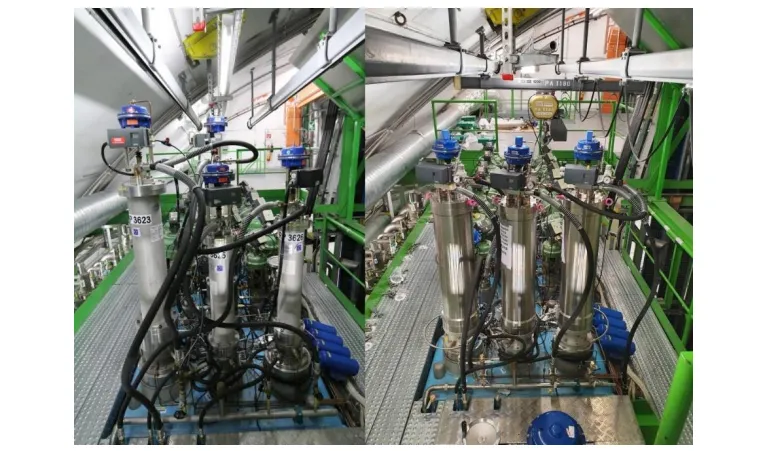
Cooling Capacity Upgrade at LHC P4
The LHC sectors are cooled by eight similar helium refrigerators. P4 needs more cooling capacity due to the superconducting RF. This has not limited LHC so far but would be a bottleneck for the HL-LHC era. Following conceptual studies ranging from completely new cryogenic infrastructure to partial modifications, it was decided to upgrade the existing
-
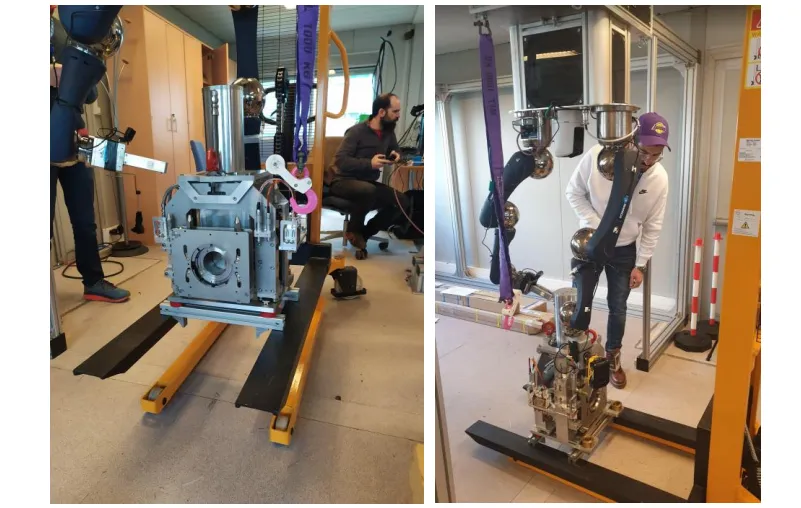
First Tests of Full Remote Handling for VAX Modules
Today’s LHC environment is subject to different radiation types, particle types and energy ranges. In particular, at the machine-experiment regions the main sources of radiation come from beam collisions at experiments and beam interactions. The 10-fold increase of luminosity (collisions in the experiments) foreseen for HiLumi will increase the radiation levels, and innovative approaches need
-
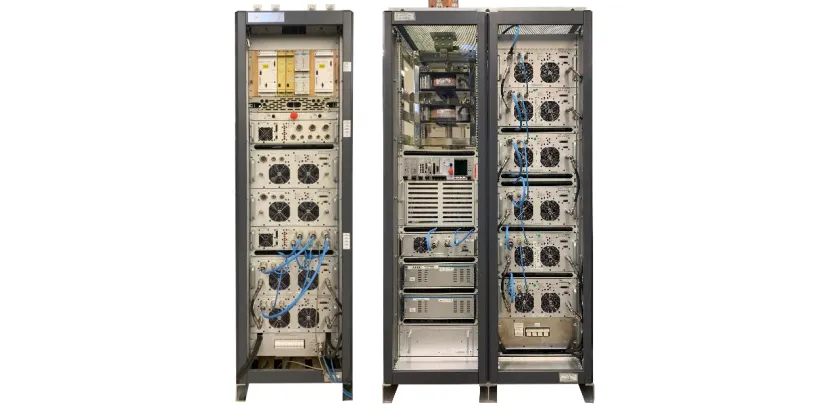
Recent Progress in Warm Powering: Making Steps towards Unprecedented Precision and Expanded Modularity
During the last year, several advancements have been made in the Warm Powering; among them some important steps towards implementing expanded modularity and guaranteeing unprecedented precision. In the LHC, to date, only 1-Q (1-Quadrant) power converters (LHC main and individually powered quadrupole circuits, ATLAS toroid) have been conceived with modularity and feature N+1 redundancy whereas
-
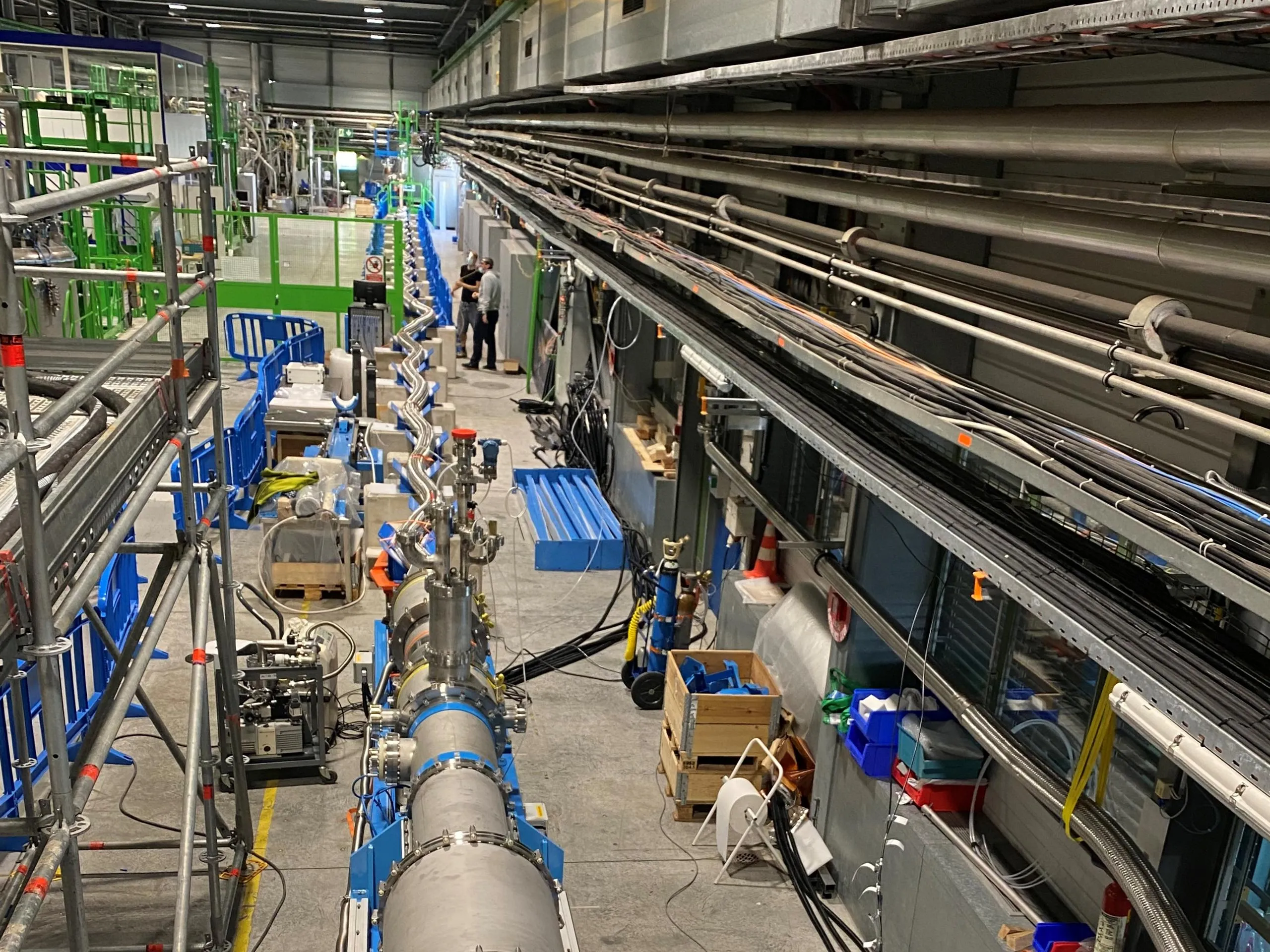
Fruitful Development Using a New Superconductor
An important milestone was achieved in June 2020 with the successful test at CERN of a demonstrator – Demo 2 – of the cold powering system for the HL-LHC magnets. Demo 2 incorporates a superconducting 60-m long power transmission line, the Superconducting Link, which will later be used to connect the HL-LHC magnets in the
-
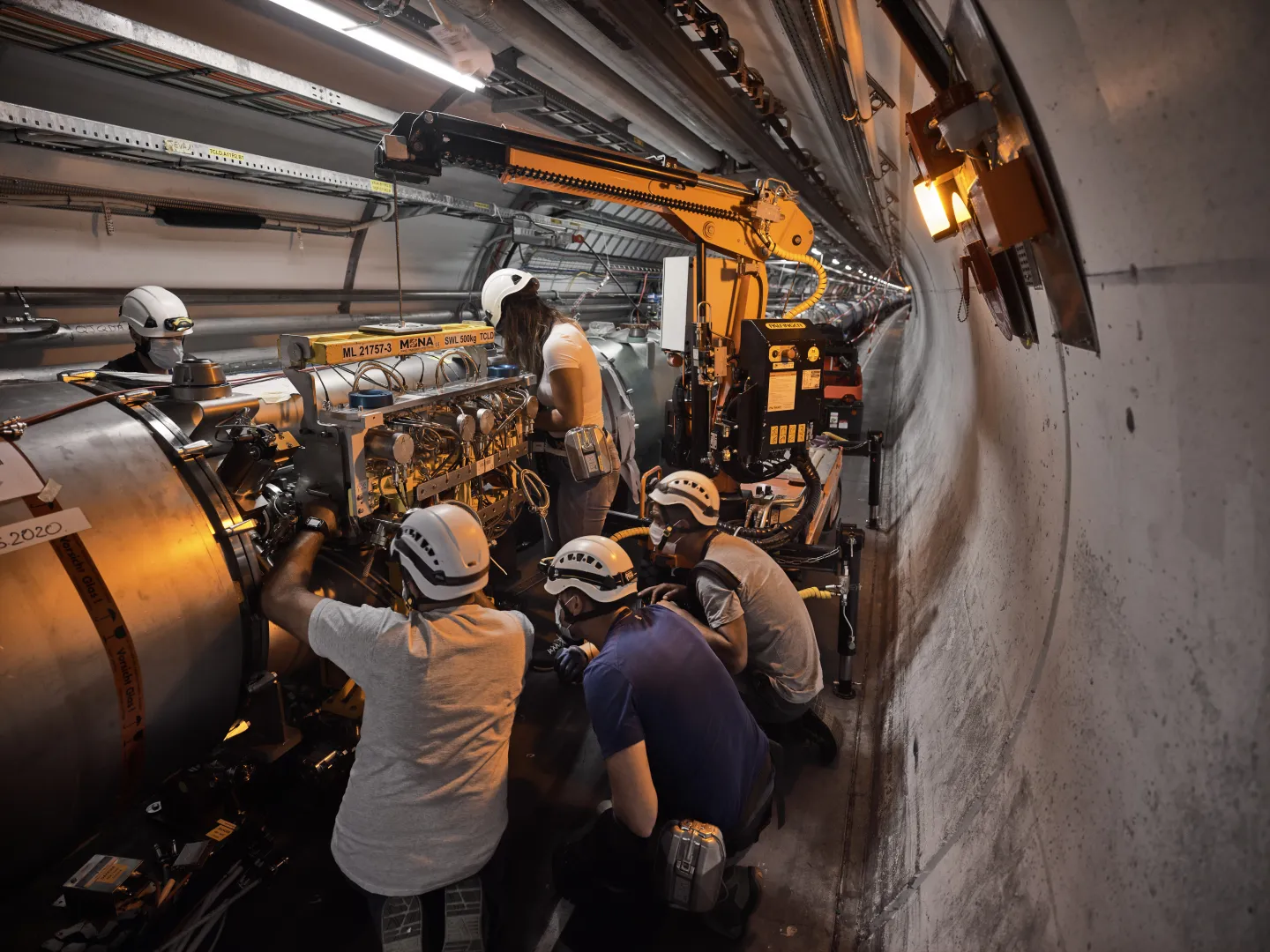
Latest News from Collimation
The HL-LHC-WP5 teams are extremely busy in LS2 because some of the key upgrades for HL-LHC will already be used in LHC Run3: In this challenging period, when most laboratories and companies were affected by the international crisis caused by the COVID-19, the companies involved in collimation production managed to continue working efficiently, though at
-
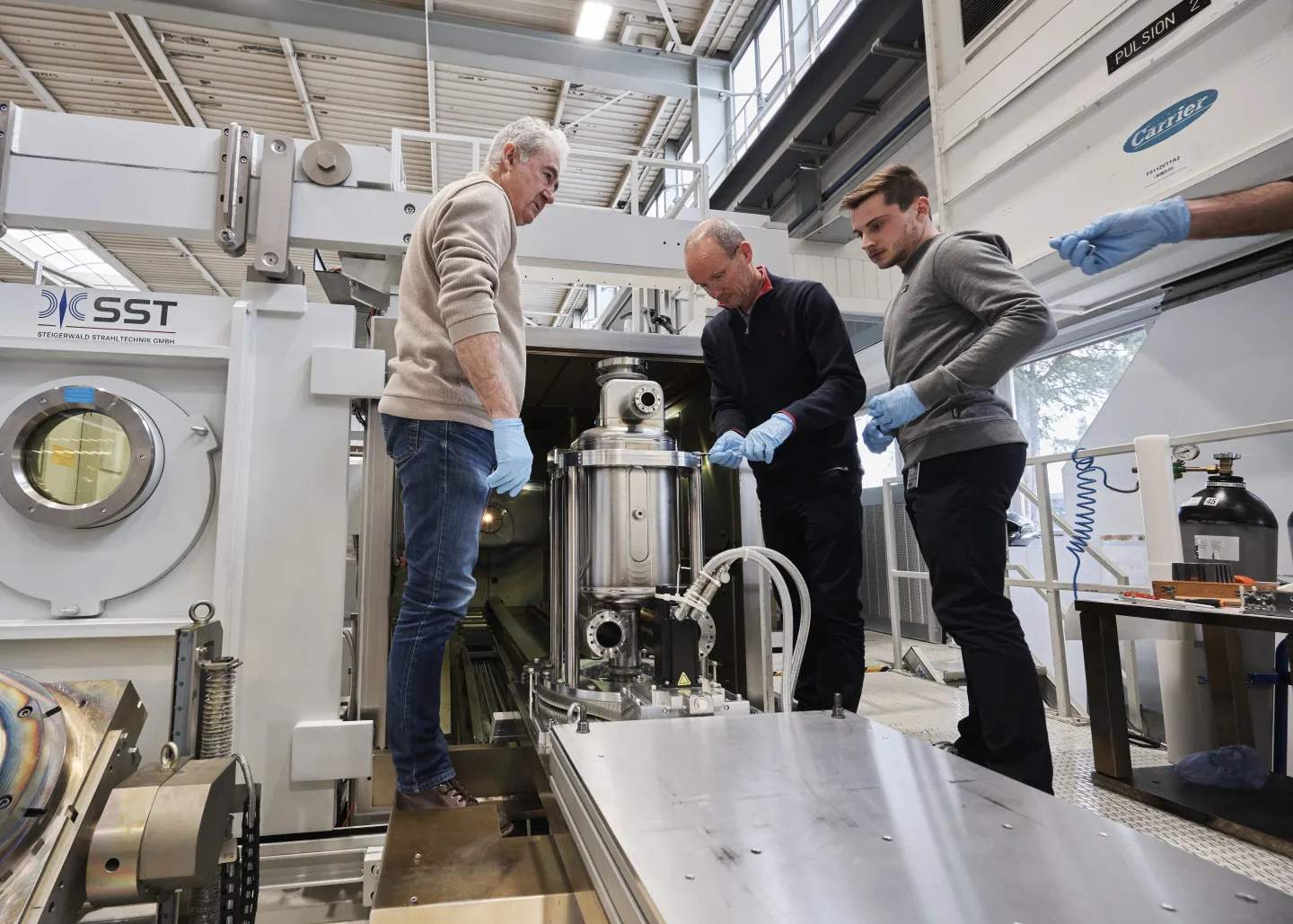
RFD Assembly
Two prototypes of RF dipole cavities which provide horizontal crabbing for the HL-LHC were successfully built at CERN. The frequency tuning setup before the final two welds is shown in the figure below. The frequencies of both cavities were within 100 kHz (negligible) showing the surgical precision in the manufacturing techniques for such a complicated
-
Status of Magnet Production and Test Results
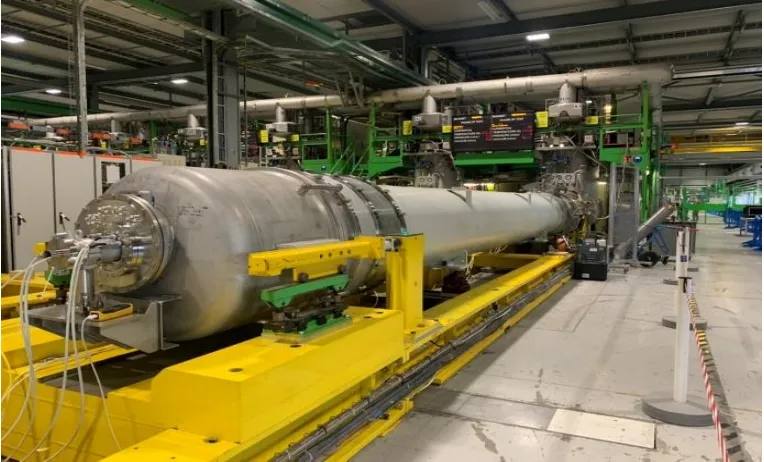
Nb3Sn triplet (MQXF) The most significant advancement has been the test of the third US-AUP full size magnet, named MQXFA03. The magnet reached nominal gradient with limited training and is the first magnet ready to be included in the first cold mass to be installed in the IT-String test. The test was particularly significant since